
Can you treat dog cancer holistically? Yes, you can. Holistic dog cancer care focuses on treating the whole dog, not just the tumor. It combines conventional treatments with natural therapies and supportive care to enhance the dog’s well-being and quality of life. This approach aims to strengthen the immune system, reduce side effects, and promote healing through natural means.
When your beloved canine companion receives a cancer diagnosis, it’s a deeply emotional time. While conventional veterinary medicine offers powerful tools like surgery, chemotherapy, and radiation, many owners seek holistic dog cancer care to complement these treatments or explore natural dog cancer treatment options. This comprehensive approach emphasizes the well-being of the entire pet, focusing on nutrition, lifestyle, and mind-body connection to support your dog through their journey. It’s about more than just fighting the disease; it’s about nurturing your dog’s vitality and ensuring the best possible quality of life.
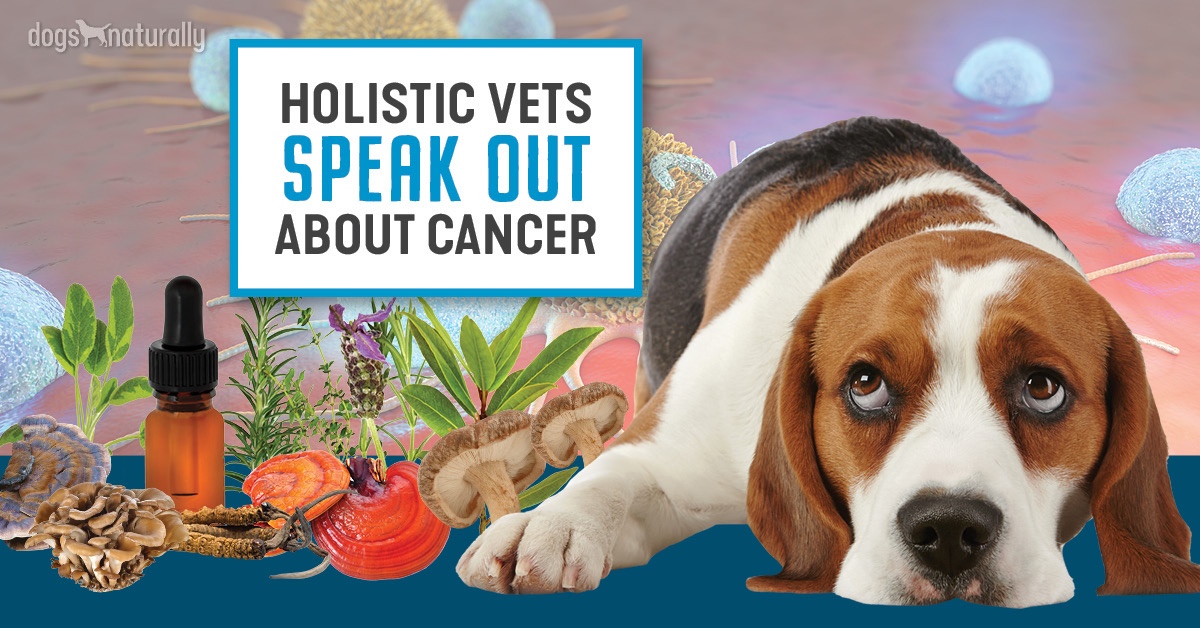
Image Source: www.dogsnaturallymagazine.com
Exploring Natural Dog Cancer Treatment
Natural dog cancer treatment is built on the principle that the body has an inherent ability to heal itself when given the right support. This philosophy guides the selection of therapies that work in harmony with the dog’s physiology.
Nutritional Foundations: The Cancer-Fighting Dog Diet
Diet is a cornerstone of holistic dog cancer care. What your dog eats directly impacts their immune system, energy levels, and ability to fight disease. A cancer-fighting dog diet is typically:
- Whole Food Based: Prioritizing human-grade, whole foods over processed kibble. This often includes lean proteins, healthy fats, and a variety of vegetables and fruits.
- Low Carbohydrate: Cancer cells thrive on glucose. Reducing carbohydrates, especially refined ones, can help starve cancer cells.
- Antioxidant-Rich: Foods packed with antioxidants help combat the oxidative stress associated with cancer and treatment.
- Anti-inflammatory: Incorporating ingredients known to reduce inflammation throughout the body.
Key Food Groups and Their Benefits:
- Lean Proteins:
- Salmon, Turkey, Chicken: Provide essential amino acids for cell repair. Opt for wild-caught or organic sources.
- Benefits: Muscle maintenance, immune function.
- Healthy Fats:
- Coconut Oil: Contains medium-chain triglycerides (MCTs) which can be an energy source for healthy cells and may inhibit cancer growth.
- Omega-3 Fatty Acids (Fish Oil): Powerful anti-inflammatories, supporting joint health and immune response.
- Benefits: Energy, reduced inflammation, nutrient absorption.
- Antioxidant-Rich Vegetables:
- Broccoli, Cauliflower, Kale: Contain sulforaphane and indoles, known for their anti-cancer properties.
- Sweet Potatoes, Carrots: Rich in beta-carotene, a precursor to Vitamin A, which supports immune function.
- Spinach, Blueberries: Packed with vitamins, minerals, and anthocyanins.
- Benefits: Cell protection, immune system support, detoxification.
- Fruits (in moderation):
- Berries (Blueberries, Raspberries): High in antioxidants.
- Apples: Good source of fiber.
- Benefits: Antioxidants, fiber.
- Superfoods and Supplements:
- Turmeric: Contains curcumin, a potent anti-inflammatory and antioxidant.
- Mushrooms (Reishi, Shiitake, Turkey Tail): Contain beta-glucans that can stimulate the immune system.
- Probiotics: Support gut health, which is crucial for immune function.
- Vitamin C: An antioxidant that can support the immune system.
- Benefits: Enhanced immune response, anti-inflammatory, gut health.
Considerations for a Cancer-Fighting Dog Diet:
- Individual Needs: Every dog is unique. Consult with a holistic veterinarian or a canine nutritionist to tailor a diet to your dog’s specific condition, breed, age, and any other health issues.
- Palatability: Ensuring your dog will eat the food is crucial. Introduce new foods gradually and in ways that are appealing to them.
- Safety: Some foods can be toxic to dogs (e.g., grapes, onions, garlic in large quantities). Always research and confirm the safety of any ingredient.
Complementary Cancer Care Dogs: Harnessing Natural Therapies
Beyond diet, a range of complementary cancer care dogs can significantly improve their quality of life. These therapies work to support the dog’s body, reduce discomfort, and bolster their resilience.
1. Herbal Support
Certain herbs have demonstrated remarkable pet cancer support capabilities. They can be used to:
- Boost the immune system.
- Reduce inflammation.
- Support detoxification.
- Alleviate side effects of conventional treatment.
Commonly Used Herbs:
- Astragalus: An adaptogen that strengthens the immune system.
- Echinacea: Known for its immune-boosting properties.
- Milk Thistle: Supports liver function, crucial for detoxification.
- Turmeric (Curcumin): As mentioned in diet, its anti-inflammatory and antioxidant effects are vital.
- Paw Paw (Asimina triloba): Some research suggests its potential in cancer treatment.
Important Note: Always use veterinary-approved herbal preparations and consult with a qualified holistic veterinarian to ensure correct dosages and prevent interactions with other treatments.
2. Homeopathic Approaches
Homeopathy uses highly diluted substances to stimulate the body’s healing response. In holistic dog cancer care, it aims to address the root cause of the imbalance that may have contributed to the development of cancer.
- Principles: Similar to “like cures like,” and the law of minimum dose.
- Application: Remedies are chosen based on a thorough assessment of the individual dog’s symptoms, temperament, and overall constitution.
- Benefits: Gentle, non-toxic, and can support the body’s natural healing mechanisms.
Consultation with a veterinary homeopath is essential for safe and effective use.
3. Acupuncture and Traditional Chinese Veterinary Medicine (TCVM)
Acupuncture, a key component of TCVM, involves inserting thin needles into specific points on the body. It can:
- Manage Pain: Effectively reduce pain associated with cancer or treatment.
- Improve Appetite: Stimulate digestive function.
- Reduce Nausea: Alleviate gastrointestinal upset.
- Boost Energy: Improve overall vitality and well-being.
- Support Immune Function: Rebalance the body’s energy (Qi).
Veterinary acupuncturists can also use other TCVM modalities like herbal medicine, food therapy, and Tui-Na (therapeutic massage).
4. Ozone Therapy
Ozone therapy is an alternative dog cancer therapy that involves introducing ozone gas into the body. It is believed to:
- Boost Oxygenation: Improve oxygen delivery to tissues, making it harder for anaerobic cancer cells to thrive.
- Stimulate the Immune System: Activate immune cells.
- Antiviral and Antibacterial Effects: Help combat secondary infections.
Administration methods can include autohemotherapy (blood is drawn, mixed with ozone, and reinfused), rectal insufflation, or topical application. This therapy should only be administered by a veterinarian trained in its use.
5. Photodynamic Therapy (PDT)
PDT is a non-toxic cancer treatment for pets that uses a photosensitizing drug and specific wavelengths of light.
- Mechanism: The drug accumulates in cancer cells. When exposed to light of a specific wavelength, it creates a chemical reaction that destroys the cancer cells.
- Benefits: Targeted, minimally invasive, and can be effective for certain types of tumors, especially superficial ones.
This is a more advanced therapy often used in conjunction with conventional treatments.
6. Mind-Body Therapies and Energy Work
The emotional and mental state of a dog can significantly impact their physical health.
- Massage: Can reduce stress, improve circulation, and alleviate muscle tension.
- Reiki and Therapeutic Touch: These energy healing modalities aim to promote relaxation and support the body’s natural healing processes.
- Gentle Exercise: Tailored to the dog’s condition, regular, gentle exercise can improve mood, maintain muscle mass, and aid circulation.
Supporting the Immune System for Dogs
A robust immune system is critical in fighting cancer and managing treatment side effects. Immune system support for dogs is a central tenet of holistic care.
Key Strategies for Immune Support:
- Probiotics and Prebiotics: A healthy gut microbiome is essential for immune function. Probiotics introduce beneficial bacteria, while prebiotics feed them.
- Mushrooms: Medicinal mushrooms like Reishi, Shiitake, and Turkey Tail are immunomodulators, meaning they can help regulate and strengthen the immune system.
- Vitamins and Minerals: Ensuring adequate intake of vitamins A, C, E, zinc, and selenium is crucial for immune cell function. These are best obtained through a balanced, whole-food diet.
- Stress Reduction: Chronic stress weakens the immune system. Creating a calm, loving environment and incorporating stress-reducing activities like gentle walks or massage is vital.
Canine Cancer Prevention: A Holistic Outlook
While not all cancers can be prevented, a holistic lifestyle can significantly reduce a dog’s risk and promote longevity. Canine cancer prevention involves a proactive approach:
- Optimal Nutrition: Feeding a high-quality, species-appropriate diet from puppyhood.
- Regular Exercise: Maintaining a healthy weight and strong cardiovascular system.
- Minimizing Toxin Exposure:
- Vaccination Protocols: Discussing judicious vaccination schedules with your vet.
- Environmental Toxins: Using natural pet products, avoiding pesticides and herbicides in your yard, and being mindful of household cleaners.
- Quality Pet Foods: Avoiding foods with artificial colors, flavors, and preservatives.
- Regular Veterinary Check-ups: Early detection is key. Annual or semi-annual check-ups allow for monitoring and early identification of any potential issues.
- Genetic Predispositions: Knowing if your dog’s breed is prone to certain cancers can help you be more vigilant.
Integrating Holistic Care with Conventional Veterinary Medicine
It’s crucial to emphasize that holistic dog cancer care is often best approached as a complementary cancer care dogs strategy alongside conventional veterinary treatment.
Working with Your Veterinary Team:
- Open Communication: Discuss your interest in holistic therapies with your primary veterinarian and any veterinary oncologists.
- Qualified Practitioners: Seek out veterinarians with advanced training in veterinary holistic oncology, nutrition, acupuncture, or TCVM.
- Integrated Care Plans: A truly integrated approach combines the best of both worlds – the efficacy of conventional treatments with the supportive and healing potential of natural therapies.
What to Discuss with Your Veterinarian:
- Treatment Goals: Are you aiming for remission, slowing progression, or improving quality of life?
- Treatment Options: Discuss surgery, chemotherapy, radiation, and potential holistic adjuncts for each.
- Side Effect Management: How can natural therapies help mitigate side effects like nausea, appetite loss, or pain?
- Prognosis: What is the expected outcome with different treatment plans?
Practical Steps for Implementing Holistic Care
Embarking on a holistic journey for your dog requires careful planning and consistent effort.
Steps to Consider:
- Educate Yourself: Learn as much as you can about canine cancer and the various holistic approaches available.
- Consult a Holistic Veterinarian: This is the most critical first step. They can guide you through the complexities and help create a personalized plan.
- Transition the Diet Gradually: Making too many dietary changes at once can upset your dog’s stomach.
- Observe Your Dog Closely: Monitor their energy levels, appetite, mood, and any changes in their condition.
- Be Patient and Persistent: Holistic healing is a journey, not a race. Results may take time.
- Manage Expectations: While holistic care can be incredibly beneficial, it’s important to have realistic expectations about outcomes.
Sample Holistic Support Plan (Illustrative)
| Area of Focus | Holistic Therapies/Interventions | Goals |
|---|---|---|
| Nutrition | Whole-food, low-carb, anti-inflammatory diet; specific supplements (e.g., fish oil, turmeric) | Starve cancer cells, reduce inflammation, boost immunity. |
| Immune Support | Probiotics, medicinal mushrooms, antioxidant-rich foods | Enhance immune surveillance and response. |
| Pain Management | Acupuncture, gentle massage, safe herbal anti-inflammatories | Improve comfort and mobility. |
| Detoxification | Milk thistle, supportive dietary choices | Aid the body in eliminating toxins and waste products. |
| Mental/Emotional | Gentle exercise, positive reinforcement, Reiki, calm environment | Reduce stress, improve mood, and enhance overall well-being. |
| Conventional Adjuncts | Carefully considered conventional treatments (e.g., surgery, targeted chemo) | Address tumor directly, as advised by veterinary oncologist. |
Frequently Asked Questions (FAQ)
Q1: Can holistic treatments cure cancer in dogs?
A1: While holistic therapies can be very effective in supporting the body, improving quality of life, and potentially slowing cancer progression, they are generally not considered a cure on their own for aggressive cancers. They are most powerful when used as complementary care alongside conventional veterinary treatment.
Q2: Are holistic cancer treatments safe for dogs?
A2: When administered by qualified veterinary professionals and using high-quality, appropriate products, holistic treatments are generally considered safe. However, it’s vital to work with a veterinarian to avoid potential interactions with conventional treatments or contraindications for your dog’s specific condition.
Q3: How much does holistic cancer treatment cost?
A3: Costs can vary widely depending on the specific therapies chosen, the frequency of treatments, and the geographic location. It’s advisable to discuss potential costs upfront with your holistic veterinarian.
Q4: What is the role of the owner in holistic dog cancer care?
A4: The owner plays a crucial role. Your commitment to dietary changes, administering supplements, managing the home environment, and providing emotional support is paramount. You are the primary caregiver and advocate for your dog’s well-being.
Q5: How do I find a veterinary holistic oncologist or holistic veterinarian?
A5: You can search professional directories for organizations like the American Holistic Veterinary Medical Association (AHVMA) or the American Association of Veterinary Acupuncturists (AAVA). Asking your current veterinarian for referrals is also a good starting point.
Q6: Can I use essential oils for my dog’s cancer?
A6: While some essential oils have therapeutic properties, they must be used with extreme caution and never ingested by dogs. Many essential oils are toxic to pets, especially when diffused or applied topically without proper dilution and knowledge. It’s best to consult with a holistic vet experienced in aromatherapy for pets before using any essential oils.
Q7: How does a cancer-fighting dog diet differ from regular dog food?
A7: A cancer-fighting dog diet typically emphasizes whole, unprocessed foods, with a focus on lean proteins, healthy fats, and antioxidant-rich vegetables. It’s often lower in carbohydrates and free from artificial additives compared to many commercially produced kibbles.
By embracing a holistic approach, you empower yourself and your dog to navigate the challenges of cancer with a focus on vitality, comfort, and the best possible quality of life. It’s a journey of love, dedication, and informed care.