
Can you get dog poop out of a couch? Yes, you absolutely can! With the right approach and products, you can effectively remove dog poop from your couch, leaving it clean and odor-free. This guide will walk you through the process of cleaning dog accidents fabric, dealing with stubborn stains, and ensuring your sofa is back to its fresh state. We’ll cover everything from immediate action to tackling dried-in messes, making pet mess cleanup couch a manageable task.
Accidents happen, especially with our furry friends. When your dog has an unfortunate incident on your beloved couch, it can feel like a crisis. But don’t panic! With a step-by-step plan and the right cleaning supplies, you can tackle this mess effectively. This article is your comprehensive guide on how to remove dog feces from sofa, ensuring a fast and clean result every time. We’ll explore techniques for different types of messes, from fresh deposits to those that have sadly had a chance to dry.
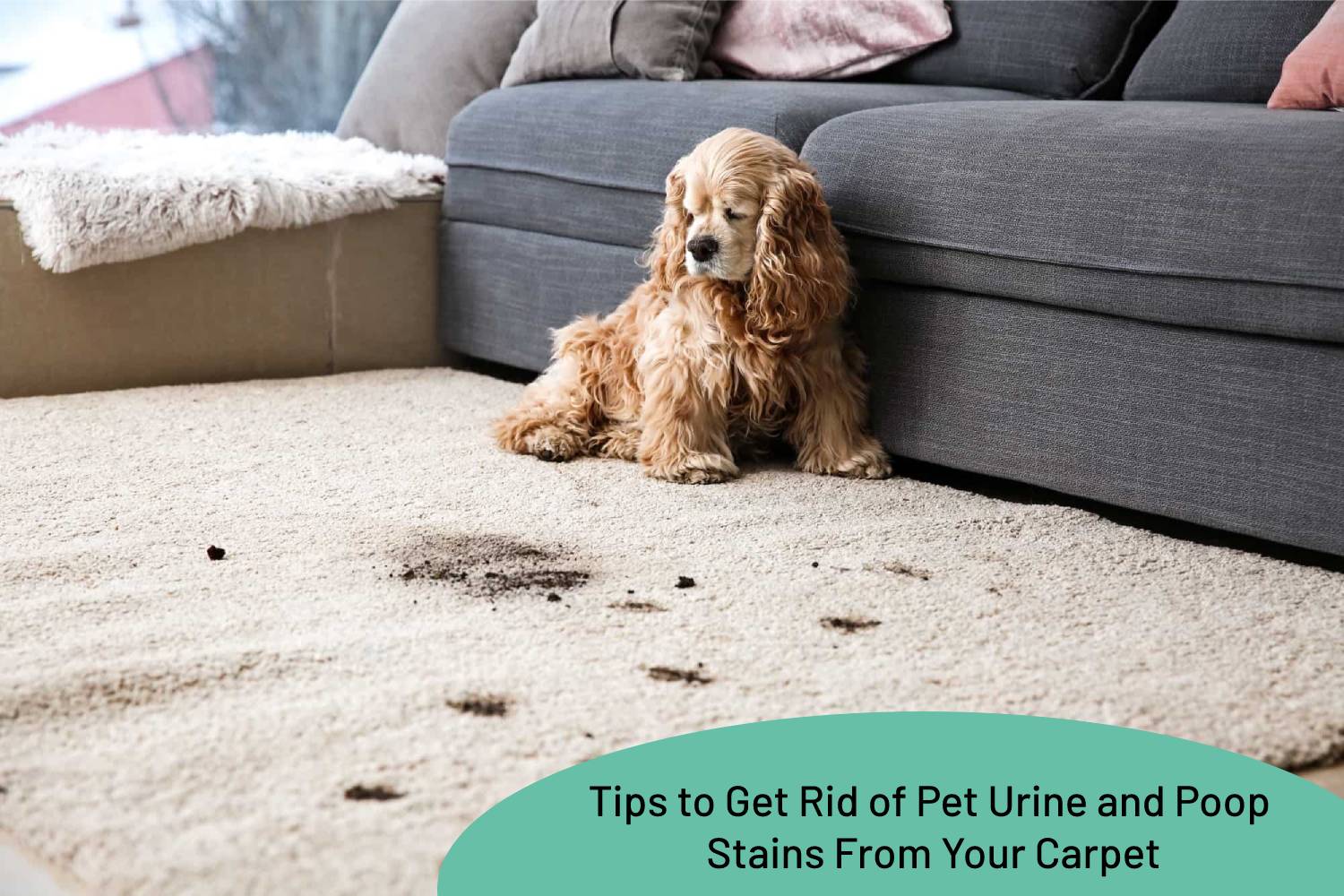
Image Source: www.myfair.cleaning
Immediate Action: The First 60 Seconds
When you discover the unfortunate deposit, speed is your best friend. The sooner you can act, the less chance the mess has to set into the fabric.
Step 1: Remove the Solids Gently
Your first priority is to remove as much of the solid waste as possible without spreading it further.
- Use gloves: Always wear disposable gloves for hygiene.
- Scoop carefully: Use a plastic spoon, a spatula, or even a thick paper towel folded multiple times to gently lift the solid waste.
- Work from the outside in: This prevents pushing the mess deeper into the couch fibers.
- Dispose properly: Seal the waste in a plastic bag and dispose of it immediately.
Step 2: Blot, Don’t Rub
Rubbing will only push the stain and odor deeper into the couch material.
- Use clean cloths or paper towels: Absorb as much of the remaining moisture and residue as possible.
- Apply gentle pressure: Blot the area from the outside edges towards the center of the stain.
- Change cloths frequently: Use a fresh section of the cloth or a new paper towel as it becomes soiled.
Tackling Fresh Stains: The Power of Promptness
Fresh dog poop on the couch is easier to deal with than dried-on messes. Here’s how to handle it swiftly and efficiently.
Step 3: Apply a Cleaning Solution
Now it’s time to start the actual cleaning process. For fresh messes, a simple yet effective solution can work wonders.
Option A: Mild Dish Soap and Water
This is a gentle yet effective option for many fabric types.
- Mix the solution: Combine a few drops of mild dish soap (like Dawn) with a cup of lukewarm water.
- Test in an inconspicuous area: Before applying to the stain, test the solution on a hidden part of your couch to ensure it doesn’t cause discoloration or damage.
- Apply with a clean cloth: Dampen a clean cloth with the soap solution and gently blot the stained area.
- Work the solution in: Continue blotting, working from the outside of the stain inward.
- Rinse the cloth: Rinse the cloth in clean water and wring it out well.
- Blot with clean water: Blot the area with the damp cloth to remove any soap residue.
- Dry the area: Use a dry towel to blot up as much moisture as possible.
Option B: White Vinegar Solution
White vinegar is a fantastic natural deodorizer and can help break down stains.
- Mix the solution: Combine equal parts white vinegar and water in a spray bottle.
- Test first: As with dish soap, always test in a hidden spot.
- Spray lightly: Lightly spray the solution onto the stained area. Avoid oversaturating the couch.
- Let it sit: Allow the solution to sit for about 5-10 minutes to work on the stain and odor.
- Blot thoroughly: Blot the area with a clean, damp cloth to lift the stain and vinegar.
- Rinse and blot: Use a cloth dampened with plain water to blot the area and remove any remaining vinegar.
- Dry the area: Pat the area dry with a clean, absorbent towel.
Dealing with Tougher Stains and Odors
Sometimes, even with immediate action, a stain or odor can linger. This is where specialized cleaners come in.
Step 4: The Importance of Enzymatic Cleaners
Enzymatic cleaners are specifically designed to break down organic matter, making them ideal for dog vomit stain removal and, of course, dog poop. These cleaners contain beneficial bacteria and enzymes that literally digest the stain and odor-causing molecules.
Why Enzymatic Cleaners Are Key:
- Targeted Action: They break down the proteins and organic compounds that cause stains and smells.
- Eliminate Odor: Unlike perfumed cleaners that just mask odors, enzymatic cleaners eliminate them at the source. This is crucial for preventing your dog from returning to the same spot.
- Safe for Fabrics: Most enzymatic cleaners are safe for a wide range of upholstery fabrics when used according to instructions.
How to Use an Enzymatic Cleaner:
- Read the label: Always follow the manufacturer’s instructions carefully.
- Saturate the area: For effective cleaning dog accidents fabric, you need to ensure the enzymatic cleaner penetrates deeply into the fibers, reaching all affected areas.
- Allow dwell time: Enzymatic cleaners need time to work. This can range from a few minutes to several hours, or even overnight, depending on the product and the severity of the stain.
- Cover if necessary: Some products recommend covering the treated area with a damp cloth or plastic wrap to keep it moist, allowing the enzymes to remain active.
- Blot or rinse: After the recommended dwell time, blot the area with a clean, damp cloth or follow the specific rinsing instructions on the product.
- Air dry: Allow the area to air dry completely.
When you’re looking for the best cleaner for dog pee on couch or need to address fecal matter, an enzymatic cleaner is often your most powerful ally. They are designed specifically for these types of organic messes.
Removing Dried Dog Poop from Upholstery: A Deeper Dive
Removing dried dog poop from upholstery requires a bit more patience and often a stronger approach than fresh stains. The key is to rehydrate the dried material to make it easier to lift.
Step 5: Rehydration and Removal
- Soak with a damp cloth: Dampen a clean cloth with lukewarm water or your chosen cleaning solution (like the vinegar/water mix).
- Gently press: Press the damp cloth onto the dried poop. You don’t want to soak the couch cushion through, just enough to soften the dried residue.
- Let it sit: Allow the damp cloth to sit on the spot for 10-15 minutes to rehydrate the material.
- Gently scrape: Use a dull knife, the edge of a plastic card, or a spatula to gently scrape away the softened residue.
- Blot away: Use clean cloths to blot up any remaining moisture and loosened particles.
Step 6: Stain and Odor Treatment for Dried Messes
Once the bulk of the dried material is removed, you’ll likely still have a stain and odor to contend with.
Using an Upholstery Cleaner Pet Stains Product:
Many commercial upholstery cleaner pet stains products are formulated to handle tough organic messes.
- Choose a reputable product: Look for products specifically designed for pet stains.
- Follow instructions: Apply as directed, paying attention to any recommended dwell times.
- Blot and rinse: Blot the area to lift the stain and rinse with a clean, damp cloth.
Natural Dog Stain Remover Options:
If you prefer a more natural approach, consider these:
- Baking Soda Paste:
- Mix baking soda with a little water to form a thick paste.
- Apply the paste to the stain.
- Let it dry completely.
- Brush or vacuum away the dried paste. Baking soda is excellent for absorbing odors.
- Hydrogen Peroxide (for light-colored fabrics):
- Mix a 1:1 solution of 3% hydrogen peroxide and water.
- CRITICAL: Test this in a hidden area FIRST, as hydrogen peroxide can bleach fabrics.
- Apply to the stain with a cloth or cotton ball.
- Let it sit for a few minutes.
- Blot with a clean, damp cloth.
Step 7: Final Odor Neutralization
Even if the stain looks gone, odors can persist. This is where a good pet odor remover couch product is essential.
- Enzymatic Sprays: These are your best bet for complete odor elimination. Apply liberally to the area, ensuring it soaks in. Allow it to air dry.
- Baking Soda: Sprinkle a generous amount of dry baking soda over the entire treated area. Let it sit for several hours, or even overnight, to absorb lingering odors. Then, vacuum it up thoroughly.
- Vinegar Solution: As mentioned before, the vinegar and water spray can also help neutralize odors.
What About Different Couch Materials?
The type of fabric your couch is made from will influence the cleaning methods you can use. Always check the manufacturer’s cleaning codes if available.
Fabric Care Codes:
- W: Water-based cleaners are safe.
- S: Solvent-based cleaners should be used; water-based cleaners should be avoided.
- W/S: Both water-based and solvent-based cleaners can be used.
- X: Vacuum only; do not use water or solvent-based cleaners.
Common Couch Materials and Cleaning Tips:
| Material Type | Safe Cleaning Agents | Precautions |
|---|---|---|
| Cotton/Linen | Mild dish soap, vinegar solution, enzymatic cleaners, upholstery cleaner pet stains. | Can be prone to shrinkage or water spots. Blot excess moisture. Test cleaners in a hidden area. |
| Microfiber | Most mild cleaners. Check manufacturer label. Often requires specific microfiber cleaners or rubbing alcohol for “S” coded microfiber. | Avoid oversaturating. Use a soft brush to restore nap after cleaning. |
| Polyester | Similar to cotton/linen. Mild dish soap, vinegar, enzymatic cleaners. | Generally durable, but always test cleaners. |
| Leather | Specialized leather cleaner. A mild soap (like saddle soap) and water can be used sparingly for non-greasy stains. Avoid excess water. | Never use harsh chemicals, solvents, or abrasive cleaners. Dry thoroughly with a soft cloth. Condition leather after cleaning. |
| Suede/Velvet | Requires specialized cleaners. Often an “X” or “S” code. For “S”, use a solvent-based upholstery cleaner. For “X”, vacuuming and brushing are key. | Do not use water, as it can damage the nap and texture. Professional cleaning may be best for stubborn stains. |
When in doubt, it’s always best to consult the furniture manufacturer’s guidelines or opt for a professional upholstery cleaner for delicate fabrics.
Troubleshooting Stubborn Stains
If the stain persists after initial attempts, don’t give up! Here are some strategies to tackle difficult situations.
Step 8: Repeating the Process and Stronger Solutions
- Repeat: Sometimes, the stain simply needs another round of cleaning. Reapply your chosen cleaner (especially an enzymatic one) and allow sufficient dwell time.
- Oxygen Bleach (for colorfast fabrics): For very tough, set-in stains on colorfast fabrics, a diluted oxygen bleach solution can be effective. TEST THIS RIGOROUSLY IN A HIDDEN AREA FIRST, as it can lighten colors. Follow product instructions carefully.
- Professional Help: If you’ve tried multiple methods and the stain or odor remains, it might be time to call in a professional upholstery cleaner. They have specialized equipment and cleaning agents that can often tackle the most challenging messes.
Remember, when dealing with dog vomit stain removal, the principles are similar to dog poop cleanup – break down the organic material and neutralize odors.
Preventing Future Accidents
The best way to deal with dog poop on the couch is to prevent it from happening in the first place.
Training Reinforcement:
- Consistent Potty Training: Ensure your dog is well-trained and understands when and where to go.
- Regular Potty Breaks: Take your dog out frequently, especially after waking up, after meals, and before bedtime.
- Positive Reinforcement: Reward your dog for successful potty breaks outside.
Environmental Factors:
- Cleanliness: Keep your dog’s immediate environment clean. If there was a past accident they are returning to, ensure the odor is completely eliminated.
- Couch Covers/Throws: Consider using washable couch covers or throws in areas where your dog frequently lounges. This makes pet mess cleanup couch much simpler – just toss the cover in the wash.
- Supervision: Supervise your dog, especially when they are young, recovering from illness, or when you are in a new environment.
Frequently Asked Questions (FAQ)
Q1: Can I use a regular carpet cleaner on my couch for dog poop?
A: While some carpet cleaners can work, it’s best to use products specifically designed for upholstery and pet stains. Carpet cleaners might be too harsh or leave residue on your couch fabric. Always check the label and test in an inconspicuous area.
Q2: How do I know if a cleaner is safe for my couch fabric?
A: Check the furniture’s cleaning code (W, S, W/S, X). Always test any cleaning solution on a small, hidden area of the couch first to ensure it doesn’t cause damage or discoloration before applying it to the stain.
Q3: My couch smells like dog poop even after cleaning. What should I do?
A: Odors can linger in the fibers. The best solution is an enzymatic cleaner designed to break down odor-causing molecules. Ensure you saturate the area well and allow it to air dry completely. Baking soda can also be sprinkled on the dry fabric to absorb residual smells before vacuuming.
Q4: Is it safe to use bleach on dog poop stains on the couch?
A: Chlorine bleach should generally be avoided on upholstery as it can permanently damage, discolor, and weaken the fabric. Oxygen bleach, when diluted and tested, might be an option for very tough stains on colorfast fabrics, but proceed with extreme caution.
Q5: How do I deal with dog vomit stain removal on my couch?
A: The process is very similar to cleaning dog poop. Remove solids and excess moisture immediately, then use an enzymatic cleaner as it’s specifically designed to break down organic matter and eliminate odors from vomit and feces.
By following these detailed steps, you can confidently tackle the challenge of cleaning dog accidents fabric and restore your couch to its pristine condition. Remember, speed, the right tools, and a bit of patience are your greatest allies in this cleaning mission.