
What are dog mites and how can they be treated naturally? Dog mites are tiny parasites that can infest a dog’s skin, ears, or fur, causing itching, hair loss, and discomfort. Fortunately, many effective and natural remedies can help treat these pesky invaders without harsh chemicals. This guide will explore safe and natural dog mite treatments, focusing on home-based solutions and organic dog skin care practices.
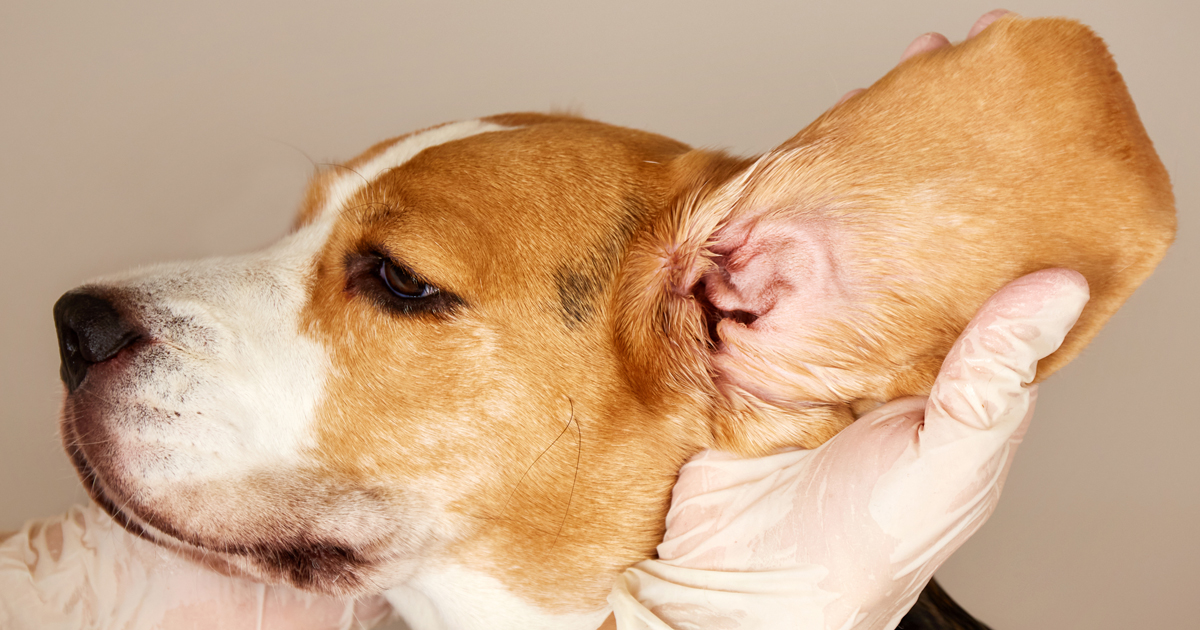
Image Source: images.surferseo.art
Why Choose Natural Dog Mite Remedies?
Many conventional treatments for dog mites rely on synthetic chemicals that can sometimes cause side effects or be harsh on a dog’s sensitive skin. Natural dog parasite control offers a gentler approach. These methods often leverage ingredients found in nature, which can be just as effective, if not more so, while minimizing the risk of adverse reactions. Opting for natural solutions also aligns with a desire for organic dog skin care, promoting overall wellness for your pet.
Benefits of Natural Treatments:
- Gentler on Skin: Natural ingredients are less likely to cause irritation or allergic reactions.
- Reduced Chemical Exposure: Avoids potentially harmful synthetic pesticides.
- Environmentally Friendly: Many natural ingredients are biodegradable and have a lower environmental impact.
- Cost-Effective: Often, natural remedies utilize ingredients already found in your home or easily accessible.
- Holistic Approach: Supports your dog’s overall health and well-being.
Identifying Dog Mites and Their Symptoms
Before you can treat dog mites, it’s crucial to recognize the signs. Mites are too small to see with the naked eye, so diagnosis often comes from observing your dog’s behavior and physical condition.
Common Types of Dog Mites:
- Sarcoptic Mange (Scabies): Caused by the Sarcoptes scabiei mite. These mites burrow into the skin, causing intense itching, hair loss, and crusty sores. They are highly contagious to other dogs and even humans.
- Demodectic Mange (Demodex): Caused by Demodex canis mites, which normally live in small numbers on a dog’s skin. Overgrowth can occur, often due to a weakened immune system, leading to hair loss (often in patches), redness, and secondary bacterial infections. This type is generally not contagious to humans.
- Ear Mites (Otodectes cynotis): These mites live in the ear canal. They cause significant itching, head shaking, and a dark, waxy discharge that can look like coffee grounds.
- Cheyletiella Mites (“Walking Dandruff”): These mites live on the surface of the skin and are more visible, often appearing as moving flakes of dandruff. They cause mild to moderate itching and scaling.
Signs and Symptoms to Watch For:
- Intense Itching: This is often the most obvious sign. Your dog may scratch, lick, or chew at their skin excessively.
- Hair Loss: Can be in patches or widespread, depending on the type of mite.
- Redness and Inflammation: The skin may appear red, irritated, and inflamed.
- Crusty Sores or Scabs: Especially common with sarcoptic mange.
- Skin Thickening: Chronic infestations can lead to thickened, leathery skin.
- Waxy Ear Discharge: A common sign of ear mites.
- Shaking Head or Pawing at Ears: Indicates ear irritation.
- “Walking Dandruff”: Visible flakes moving on the skin.
If you suspect your dog has mites, a veterinary diagnosis is recommended. Your vet can confirm the presence of mites through skin scrapings or other diagnostic tests.
Effective Natural Dog Mite Remedies
When it comes to natural dog mite treatment, the goal is to create an environment that is inhospitable to mites, soothe the skin, and support your dog’s immune system. Here are some of the most effective home remedies for dog mites.
Essential Oils for Dog Mites: Caution and Dilution
Essential oils can be powerful tools in natural dog parasite control, but they must be used with extreme caution. Dogs have a much more sensitive sense of smell and skin than humans. Always dilute essential oils with a carrier oil before applying them to your dog’s skin. Never use undiluted essential oils directly on your dog.
Safe Essential Oils (When Diluted):
- Lavender: Known for its calming and antiseptic properties. Can help soothe irritated skin.
- Chamomile: Anti-inflammatory and soothing for the skin.
- Peppermint: Can help repel some pests, but use very sparingly as it can be strong for dogs.
- Tea Tree Oil (Melaleuca): EXTREME CAUTION REQUIRED. While effective against parasites, tea tree oil is toxic to dogs if ingested or applied undiluted. If you choose to use it, it must be heavily diluted (1 drop in 1 ounce of carrier oil) and applied very carefully, avoiding the dog’s mouth, eyes, and nose. Many sources strongly advise against using tea tree oil on dogs due to the risk of toxicity.
Carrier Oils:
- Coconut Oil: Moisturizing and has some antimicrobial properties.
- Olive Oil: Gentle and readily available.
- Jojoba Oil: Mimics the skin’s natural oils.
How to Use Diluted Essential Oils:
- Dilution Ratio: A safe starting point is 1 drop of essential oil per 1 ounce (30 ml) of carrier oil. For dogs with sensitive skin, start with an even weaker dilution.
- Patch Test: Apply a small amount to an unaffected area of your dog’s skin and wait 24 hours to check for any adverse reactions.
- Application: Gently massage the diluted oil into affected areas, avoiding the eyes, nose, and mouth.
Important Note: Always consult with your veterinarian or a certified veterinary aromatherapist before using essential oils on your dog, especially if your dog has pre-existing health conditions or is on medication.
Herbal Dog Mite Solutions: Nature’s Pharmacy
Herbal remedies have been used for centuries to treat various ailments, and they can be effective against dog mites.
1. Apple Cider Vinegar (ACV)
Apple cider vinegar is a popular natural remedy due to its acidic nature, which can help kill mites and soothe itchy skin. It also helps to rebalance the skin’s pH.
-
How to Use for Mites:
- Diluted Topical Spray: Mix equal parts raw, unfiltered apple cider vinegar and water in a spray bottle. Lightly spray your dog’s coat, avoiding the eyes and mouth. Let it air dry.
- Bathing Additive: Add 1-2 cups of ACV to your dog’s bathwater.
- Ear Rinse (for ear mites): Mix equal parts ACV and water. Gently clean the outer ear with a cotton ball soaked in the solution. Do NOT use if your dog has a ruptured eardrum or open sores in the ear.
-
Frequency: Can be used daily or every other day, depending on your dog’s response.
2. Neem Oil
Neem oil is a powerful natural insecticide and antifungal, derived from the neem tree. It disrupts the life cycle of many parasites, including mites.
-
How to Use for Mites:
- Diluted Topical Oil: Mix 1 part neem oil with 10-20 parts carrier oil (like coconut or olive oil). Massage into affected areas of the skin.
- Shampoo Additive: Add a small amount of neem oil (about 1 teaspoon per cup of dog shampoo) to a natural, mild dog shampoo for bathing.
-
Caution: Neem oil has a strong odor. Ensure good ventilation when using it. Some dogs may have sensitivities, so always do a patch test.
3. Diatomaceous Earth (Food Grade)
Food-grade diatomaceous earth (DE) is a powder made from fossilized aquatic organisms. It has sharp edges that physically damage the exoskeletons of insects and mites, causing them to dehydrate and die.
-
How to Use for Mites:
- Topical Dusting: Lightly dust your dog’s dry coat with food-grade DE, focusing on areas where mites are prevalent. Avoid inhaling the dust yourself or your dog. Brush it through the fur.
- Environmental Treatment: Sprinkle DE on bedding, carpets, and furniture where your dog spends time to kill mites that may have fallen off.
-
Frequency: Can be applied a few times a week. Ensure it is food-grade and avoid inhalation.
4. Garlic (Use with Caution)
Garlic has natural repellent properties and can help boost a dog’s immune system, making them less susceptible to parasites. However, garlic can be toxic to dogs in large quantities.
- How to Use for Mites:
- Small Doses: Add very small amounts of raw, minced garlic to your dog’s food. The general recommendation is about 1 clove per 30 pounds of body weight per day, divided into doses.
- Consult Your Vet: It is essential to discuss garlic supplementation with your veterinarian, as individual dogs can react differently, and excessive amounts can cause anemia.
5. Citrus Peels
The d-limonene found in citrus peels (like lemon and orange) can be toxic to mites.
-
How to Use for Mites:
- Infused Water Spray: Steep lemon or orange peels in hot water overnight. Strain the water and use it as a spray on your dog’s coat (avoiding eyes).
- Rubbing: Gently rub the inside of citrus peels on your dog’s fur.
-
Caution: Ensure no seeds or pith are left behind, as these can be harmful. Do not use if your dog has open sores.
Natural Ear Mite Treatment for Dogs Naturally
Ear mites are a common problem, and natural remedies can be very effective.
1. Mineral Oil or Olive Oil
These oils can help suffocate ear mites.
-
How to Use:
- Warm a small amount of mineral oil or olive oil slightly (ensure it’s not hot).
- Put a few drops into your dog’s ear canal.
- Gently massage the base of the ear for about 30 seconds.
- Allow your dog to shake their head.
- Use a clean cotton ball to gently wipe away any loosened debris from the outer ear.
-
Frequency: Once or twice a day for a week.
2. Aloe Vera Gel
Pure aloe vera gel (ensure it’s for pets, not containing additives like lidocaine) can be soothing and help with inflammation.
-
How to Use:
- Apply a small amount of fresh aloe vera gel to the outer ear canal.
- Gently massage.
- Allow your dog to shake.
-
Caution: Use only pure, pet-safe aloe vera. Do not use if you suspect a ruptured eardrum.
3. Calendula Oil
Calendula has anti-inflammatory and antiseptic properties that can help heal irritated ear canals.
- How to Use:
- Apply a few drops of calendula oil to a cotton ball and gently wipe the inside of the ear.
Home Remedies for Dog Mites: DIY Relief
These DIY solutions can provide quick relief and support the healing process.
1. Oatmeal Baths
Colloidal oatmeal is an excellent ingredient for soothing itchy, irritated skin caused by mite bites.
-
How to Use:
- Grind plain, unflavored oatmeal into a fine powder using a blender or food processor.
- Add the oatmeal powder to lukewarm bathwater.
- Let your dog soak for 10-15 minutes, gently massaging the water into their coat.
- Rinse thoroughly with lukewarm water.
-
Frequency: Can be done 1-2 times a week.
2. Baking Soda Paste
Baking soda can help neutralize odors and may offer some relief from itching.
-
How to Use:
- Mix baking soda with a small amount of water to form a paste.
- Apply the paste to affected skin areas.
- Let it dry and then gently brush or rinse it off.
-
Caution: Use sparingly and avoid if the skin is very raw or has open sores.
Organic Dog Skin Care and Safe Dog Mite Prevention
Prevention is key to keeping your dog free from mites. Good hygiene and supporting your dog’s overall health are crucial.
1. Regular Grooming and Cleaning
- Brush Regularly: Brushing helps distribute natural oils, removes loose fur and debris, and allows you to inspect your dog’s skin.
- Wash Bedding: Wash your dog’s bedding, toys, and any fabric they frequently contact in hot water regularly to kill any mites or eggs.
- Clean Your Home: Vacuum carpets and upholstery frequently, especially in areas where your dog sleeps. Consider using food-grade DE in your vacuum bag.
2. Boost Your Dog’s Immune System
A strong immune system is a dog’s best defense against mite infestations.
- Healthy Diet: Feed a high-quality, balanced diet rich in nutrients. Consider adding probiotics and prebiotics to support gut health, which is closely linked to immune function.
- Probiotics and Prebiotics: These can help improve digestion and boost the immune system.
- Regular Exercise: Keeps your dog healthy and strong.
- Stress Reduction: Minimize stress in your dog’s environment, as stress can weaken the immune system.
3. Natural Flea and Tick Prevention (Can Also Help with Mites)
While focused on fleas and ticks, some natural methods can also deter mites.
- Herbal Sprays: Sprays containing diluted essential oils like lavender or cedarwood (used cautiously) can help repel pests.
- Apple Cider Vinegar Rinses: As mentioned earlier, ACV can be used as a preventative spray.
4. Monitor New Pets
If you introduce a new pet to your household, quarantine and monitor them for any signs of parasites before allowing them to interact closely with your existing pets.
Treating Skin Mites Naturally: A Step-by-Step Approach
Dealing with skin mites requires patience and consistency. Here’s a general approach for treating dog mites naturally.
Step 1: Veterinary Consultation
Before starting any home treatment, it’s always best to get a professional diagnosis from your veterinarian. They can confirm the type of mite and rule out other skin conditions. Discuss your desire for natural treatments with your vet; they may have specific recommendations or contraindications for your dog.
Step 2: Bathe Your Dog
A soothing bath can help clean the skin and remove debris.
- Option 1: Oatmeal Bath: Use colloidal oatmeal as described above.
- Option 2: ACV Bath: Add 1-2 cups of raw apple cider vinegar to the bathwater.
- Option 3: Mild Herbal Shampoo: Use a gentle, natural dog shampoo with ingredients like calendula or chamomile.
Ensure you rinse thoroughly and dry your dog gently.
Step 3: Topical Treatments
Apply your chosen natural topical treatment.
-
For Sarcoptic or Demodectic Mites:
- Neem Oil Mixture: Apply diluted neem oil to affected areas.
- Diatomaceous Earth: Lightly dust the coat.
- Diluted Essential Oil Spray: Use cautiously if you’ve tested it.
-
For Cheyletiella Mites:
- Focus on dusting the coat with food-grade DE, as these mites live on the surface.
Step 4: Ear Mite Treatment (If Applicable)
If your dog has ear mites:
- Mineral Oil/Olive Oil Treatment: Follow the steps outlined above for cleaning ears.
- Gentle Wiping: Use a cotton ball with diluted ACV or calendula oil to clean the outer ear.
Step 5: Environmental Cleaning
Crucially, treat your dog’s environment to prevent re-infestation.
- Wash Bedding: In hot water.
- Vacuum: Carpets, rugs, and furniture.
- Clean Toys: Wash or replace them.
- Treat Surfaces: Consider using food-grade DE on carpets and bedding.
Step 6: Ongoing Prevention and Monitoring
Continue with regular grooming, a healthy diet, and monitor your dog for any returning signs of mites. Natural dog parasite control is often an ongoing process.
When to Seek Professional Help
While natural remedies are effective for many mild to moderate infestations, it’s important to know when to consult your veterinarian.
- Severe Infestation: If your dog is in extreme discomfort, has widespread skin lesions, or shows signs of secondary infection (pus, foul odor), seek veterinary care immediately.
- No Improvement: If you’ve been using natural remedies consistently for a week or two and see no improvement, your dog may require prescription medication.
- Puppies or Immunocompromised Dogs: Young puppies, elderly dogs, or those with weakened immune systems are more vulnerable and may need more aggressive treatment.
- Contagion Concerns: If you suspect sarcoptic mange, which is highly contagious to humans and other animals, contact your vet promptly for advice.
Frequently Asked Questions (FAQ)
Q1: How quickly do natural dog mite treatments work?
The speed of improvement can vary greatly depending on the severity of the infestation and the specific treatment used. Some dogs may show relief from itching within a few days, while a full recovery can take several weeks. Consistency is key.
Q2: Can I use essential oils on my puppy?
It’s generally advised to use extreme caution when using essential oils on puppies, as their systems are even more sensitive than adult dogs. Many experts recommend avoiding essential oils altogether for puppies under a certain age or consulting a veterinary aromatherapist for guidance.
Q3: How do I know if my dog has mites or allergies?
Both mites and allergies can cause similar symptoms like itching and skin irritation. A veterinary diagnosis is the most reliable way to differentiate. Skin scrapings or other diagnostic tests can confirm the presence of mites.
Q4: Is food-grade diatomaceous earth safe for dogs to ingest?
Yes, food-grade diatomaceous earth is generally considered safe for ingestion in small amounts. It’s often added to pet food to help with internal parasite control. However, always use food-grade only, and avoid inhaling the dust.
Q5: Can I use human products for ear mites on my dog?
It’s not recommended. Human products may contain ingredients that are too harsh or toxic for dogs. Always use products specifically formulated for pets or stick to natural remedies recommended by your veterinarian.
By embracing natural dog mite remedies and incorporating organic dog skin care practices, you can effectively treat your dog’s mite problem while prioritizing their health and well-being. Remember to always consult with your veterinarian for accurate diagnosis and treatment plans.