
Can I get my dog to come inside easily? Yes, with consistent training and the right approach, you can teach your dog to come inside reliably.
Getting your dog to come inside when called can sometimes feel like a tug-of-war, especially when they’re enjoying their time outdoors. Whether it’s a playful pup who’s lost track of time or a stubborn senior who prefers the fresh air, there are effective methods to encourage them to return. This guide will walk you through easy tips and techniques for bringing dog indoors, focusing on building a strong bond and using positive reinforcement.
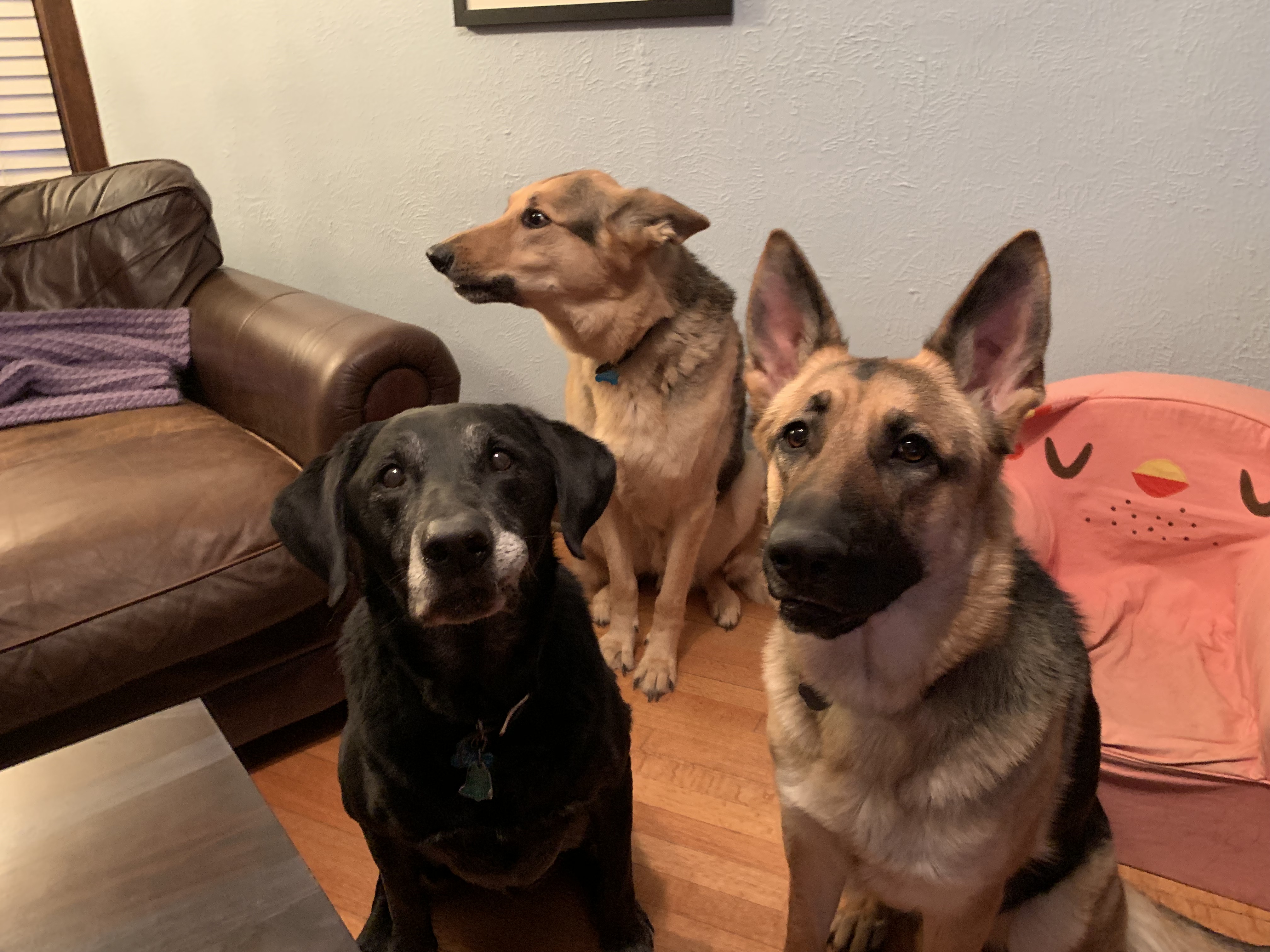
Image Source: www.doggoneproblems.com
Building a Foundation for Reliable Recall
The journey to a dog who happily comes inside starts with establishing clear communication and trust. This involves mastering essential dog obedience commands and implementing consistent dog training tips.
The Power of Positive Reinforcement for Dogs
Positive reinforcement for dogs is the cornerstone of successful training. It means rewarding your dog for doing what you ask. This can involve treats, praise, toys, or even a good scratch behind the ears. When your dog associates coming inside with good things, they’re much more likely to do it willingly.
- High-Value Rewards: Discover what truly motivates your dog. Is it a tiny piece of chicken, a squeaky toy, or a belly rub? Use these “high-value” rewards specifically for training sessions.
- Timing is Key: Deliver the reward immediately after your dog performs the desired behavior (coming inside). This helps them connect the action with the reward.
- Consistency: Everyone in the household should use the same commands and reward system. This prevents confusion for your dog.
Essential Dog Recall Training
The most crucial command for getting your dog inside is a solid recall. Dog recall training is more than just yelling their name; it’s about creating an enthusiastic response to your call.
Practicing Recall in Various Scenarios
- Start Indoors: Begin by calling your dog to you from another room. Keep it short and sweet.
- Gradually Increase Distance: As your dog gets better, call them from further away within the house.
- Introduce Distractions: Once they’re reliable indoors, move to a controlled outdoor environment, like a fenced yard. Gradually add mild distractions.
Recall Training Techniques
- The “Come” Command: Choose a clear, cheerful word like “Come!” or “Here!” Use this word consistently.
- Make it Fun: When your dog comes, celebrate! Use an excited tone of voice, clap, and offer their reward.
- Never Punish for Coming: Even if your dog took a long time or was distracted, never scold them when they finally reach you. This will make them hesitant to come in the future.
- The “Happy Exit”: When it’s time to go out, make it a positive event. This sets a good precedent for coming back in.
Leash Training for Control
While not directly about coming inside, leash training is vital for safety and control when your dog is outdoors, especially if you’re working on recall in unfenced areas. A dog that’s comfortable and responsive on a leash is generally more attuned to your cues.
Benefits of Leash Training for Recall
- Controlled Practice: You can practice recall in safe, open spaces without the risk of your dog running off.
- Gentle Guidance: A leash allows you to gently guide your dog if they’re hesitant.
- Building Trust: Leash training, when done positively, builds trust between you and your dog.
Strategies for Bringing Dog Indoors
Once you have a solid foundation, you can implement specific strategies for getting your dog inside. These methods focus on making the transition from outside to inside a positive and predictable one.
Making the Doorway an Inviting Place
The doorway is the boundary. Make it a place of positive association.
Creating a Welcoming Entrance
- Treats by the Door: Leave a few high-value treats near the door. When you or your dog approach, offer a treat.
- “Inside” Games: Play quick, fun games near the door that involve coming inside, like a quick “find the treat” in the entryway.
- Calm Arrivals: Avoid making a fuss when your dog comes inside. A calm greeting reinforces that coming inside is the expected behavior.
The Art of the Call and Reward
This is where your dog recall training really shines.
Step-by-Step Recall to Come Inside
- Call Their Name and Command: Use your dog’s name followed by the recall command (“Buddy, Come!”).
- Enthusiastic Greeting: As they approach, maintain an excited, happy tone.
- Reward Upon Arrival: As soon as they reach you at the doorway, give them their treat and praise.
- Enter Together: Walk inside with your dog.
- Further Positive Reinforcement: Once inside, offer another small treat or a brief play session. This reinforces that the entire process of coming inside is good.
Using Toys as Motivation
For dogs who are toy-driven, toys can be incredibly effective motivators.
Toy-Based Recall
- Show the Toy: Get their favorite toy and show it to them from the doorway.
- Call Them In: Use your recall command.
- Play Indoors: Once they come inside, engage in a short, fun play session with the toy. This makes coming inside a direct path to fun.
The Gentle Approach: Luring
Sometimes, a direct call might not be enough, especially if your dog is engrossed in something outside. Luring can be a great technique.
Luring Your Dog Inside
- Use a Treat or Toy: Hold a high-value treat or their favorite toy.
- Encourage Movement: Walk backward towards the doorway, holding the lure where they can see and smell it.
- Positive Verbal Cues: Use encouraging words like “Good boy!” or “Come on!”
- Reward as They Cross the Threshold: As soon as they step inside, give them the lure and praise them.
Addressing Common Challenges
Even with the best intentions, you might encounter some hurdles. Here’s how to tackle them.
Dogs Who Resist Coming Inside
If your dog is reluctant, don’t force them. This can create negative associations.
Strategies for Reluctant Dogs
- Identify the Cause: Is it a new environment? Are they scared of something inside? Is the inside boring compared to the outside?
- Gradual Introduction: If they’re hesitant about the house itself, start by rewarding them for just approaching the door.
- Make Inside More Appealing: Ensure there are comfortable beds, engaging toys, and interactive activities available inside.
- Check for Medical Issues: Sometimes, a dog might be reluctant due to pain or discomfort. Consult your vet if you suspect this.
The “Just One More Minute” Dog
Some dogs are masters at prolonging their outdoor adventures.
Managing Prolonged Outdoor Stays
- Establish a Routine: Dogs thrive on routine. If they know when it’s time to come in, they’re less likely to resist.
- Give a Warning: About 5-10 minutes before it’s time to come in, give a gentle warning, like calling them to the door for a quick treat.
- The “Last Call”: Then, when it’s truly time, use your firm but friendly recall command.
- Positive Consequences for Promptness: Reward them generously when they come in promptly after the warning.
Distractions Outdoors
Squirrels, other dogs, exciting smells – the outdoors are full of distractions.
Overcoming Outdoor Distractions
- Train in Low-Distraction Areas First: Master recall in a quiet backyard before attempting it in a park.
- Use Extra-High-Value Rewards: For highly distracting environments, you’ll need rewards that are more enticing than the distractions.
- Short, Frequent Sessions: Keep training sessions short to prevent frustration for both you and your dog.
- Manage the Environment: If a particular distraction is too much, bring your dog inside before they get overwhelmed and practice recall in a less stimulating setting.
Advanced Dog Training Tips and Dog Behavior Modification
For more persistent issues, or to further refine your dog’s behavior, consider these advanced techniques.
Understanding Dog Behavior Modification
Dog behavior modification involves changing unwanted behaviors through systematic training and environmental adjustments. For recall, this means reinforcing the positive behavior (coming when called) while minimizing opportunities for the negative behavior (ignoring the call).
Reinforcing Good Behavior Beyond the Call
Coming inside is just one part of a well-behaved dog.
General Good Behavior Reinforcement
- “Go to Mat” or “Place”: Teach your dog to go to a specific spot (like their bed) when asked. This can be a useful way to transition them from outdoors to a designated calm spot inside.
- Calm Entries: Reward your dog for entering the house calmly, without jumping or excessive excitement.
- House Training Reinforcement: Ensure that coming inside is consistently associated with a safe and comfortable environment, which is also key for house training dogs.
Using Tools Wisely
Tools can assist your training, but they should always be used with positive intent.
Helpful Training Tools
- Long Leash/Line: Allows your dog more freedom to explore outdoors while still being tethered to you, making recall practice safer.
- Treat Pouch: Keeps rewards easily accessible for quick reinforcement.
- Clicker (Optional): A clicker can be a precise marker for the exact moment your dog performs the correct behavior, followed by a reward.
Keeping it Fun and Engaging
Training should be an enjoyable experience for both you and your dog.
The Playful Approach to Recall
- Recall Games: Invent games like “Chase Me!” where you run away from your dog towards the house, encouraging them to follow.
- Hide and Seek: Have a family member hold your dog while another hides nearby. Call your dog to find them, then reward them for a successful reunion.
Short, Sweet, and Rewarding Sessions
- 5-Minute Training Bursts: Several short training sessions throughout the day are more effective than one long, tedious one.
- End on a High Note: Always finish a training session with a success and a big reward, leaving your dog eager for the next one.
Frequently Asked Questions (FAQ)
How long does it take to train a dog to come inside?
The timeframe varies greatly depending on the dog’s age, breed, temperament, and previous training. Some dogs pick it up within weeks, while others may take several months of consistent practice.
My dog never comes when I call them to come inside, what should I do?
First, don’t get discouraged. Re-evaluate your dog recall training methods. Are you using high-value rewards? Is your tone enthusiastic? Are there too many distractions? You might need to go back to basics, starting with very short distances and minimal distractions, and gradually increasing the challenge. Consider if there’s something inside that your dog dislikes, making them hesitant.
Is it okay to drag my dog inside if they won’t come?
No, it is strongly advised against forcing or dragging your dog. This can create fear, anxiety, and damage the trust between you and your pet, leading to more severe behavioral problems. Focus on positive methods like luring and rewarding.
When should I start dog recall training?
You can start dog recall training as soon as you bring your puppy or new dog home. The earlier you begin building these positive associations, the stronger the foundation for reliable behavior.
My dog loves being outside so much, how can I make coming inside as appealing?
Make inside a place of comfort, safety, and positive interactions. Ensure they have a cozy bed, engaging toys, and that you spend quality time with them indoors. When they come inside, offer a small reward or a brief play session. It’s about creating a balance where both indoors and outdoors are enjoyable, but coming inside is associated with positive outcomes.
By implementing these dog training tips and focusing on positive reinforcement for dogs, you can turn the process of bringing dog indoors from a struggle into a smooth, enjoyable experience for both you and your canine companion. Consistent effort and a positive attitude are your best tools for success in dog recall training and fostering great dog behavior modification.