
Here’s a comprehensive blog post on keeping a dog crate warm safely and cozily:
Can you use a heating pad in a dog crate? Yes, but only if it’s a dog crate heating pad specifically designed for pets and used with extreme caution and supervision. Keeping your dog’s crate warm in colder weather is crucial for their comfort and health. A dog crate is often a safe haven for our furry friends, but in winter, it can become an uncomfortably chilly space. This guide will walk you through the best ways to ensure your dog’s crate remains a warm, cozy, and safe retreat during the colder months, addressing common concerns like keeping puppy crate warm and providing winter dog crate solutions. We’ll delve into the importance of indoor dog house temperature, discuss various methods from dog crate blankets to heated dog beds, and highlight how to achieve draft proofing dog crates. We’ll also cover safe options for safe dog crate heaters.
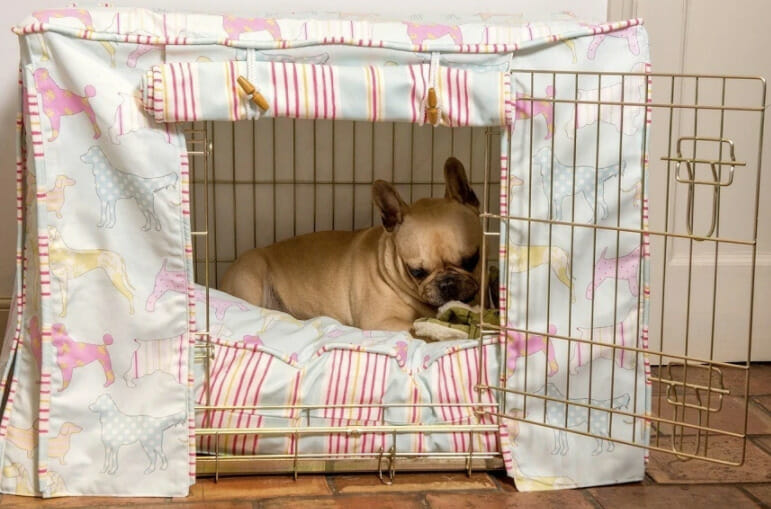
Image Source: www.doggietoys.deals
The Importance of a Warm Crate for Your Dog
Dogs, especially puppies, senior dogs, and those with short or thin coats, are more susceptible to cold temperatures. A cold crate can lead to discomfort, restlessness, and even health issues like hypothermia. Providing a warm environment is not just about comfort; it’s about well-being. Imagine trying to sleep in a room that’s freezing – it’s impossible to get comfortable or rest well. The same applies to your dog.
A warm crate helps your dog:
- Sleep better: Restful sleep is vital for a dog’s physical and mental health.
- Stay healthy: Cold can weaken a dog’s immune system.
- Feel secure: A cozy den-like space can enhance their sense of safety.
- Regulate body temperature: Especially important for very young or old dogs.
Factors Affecting Crate Temperature
Several things can make a dog’s crate colder than the room it’s in:
- Location of the crate: Is it near a drafty window or door?
- Flooring: Cold tile or concrete floors can draw heat away.
- Crate material: Metal crates can be colder than plastic or wooden ones.
- Drafts: Even small air currents can significantly lower the temperature.
Safe and Cozy Heating Solutions for Dog Crates
When thinking about dog crate heating pads or other warming methods, safety is paramount. Overheating or unsafe electrical components can be dangerous.
1. Insulating Dog Crates
Before adding any heat source, insulating dog crates is the first step to retaining warmth effectively. This helps keep the heat in and the cold out.
h4: Using Blankets and Covers
- Thick Dog Crate Blankets: Opt for thick, plush blankets. Fleece, Sherpa, and wool are excellent choices. Layering is key. Place one or two blankets at the bottom for comfort and insulation, and then consider a cover for the crate itself.
- Crate Covers: A specifically designed crate cover can act like a mini-enclosure, trapping body heat and preventing drafts. Look for covers made of thick, insulating material. Some covers also offer privacy, which can help anxious dogs.
- Avoid Over-Covering: While insulation is good, ensure adequate ventilation. You don’t want to create a stuffy environment or a situation where the dog can’t breathe fresh air.
h4: Draft Proofing Dog Crates
- Location, Location, Location: Move the crate away from drafty windows, doors, and exterior walls. If the crate must be in a cooler area, try to place it in a corner or against a wall to minimize exposure to drafts.
- Sealing Gaps: For wire crates, you can strategically place extra blankets or even use thick cardboard on the sides and back (leaving the front open for ventilation) to block drafts. Be sure the dog cannot chew or ingest any of these materials.
- Floor Insulation: Place a thick rug, mat, or even a piece of carpet underneath the crate to insulate it from cold floors.
2. Bedding Choices for Cold Weather
The right bedding can make a huge difference in maintaining a dog’s comfort.
h5: Best Bedding for Cold Weather Dogs
- Self-Warming Beds: These beds contain special materials that reflect the dog’s own body heat back to them, creating a warmer sleeping surface without electricity. They are safe and effective.
- Bolstered Beds: Beds with raised sides (bolsters) create a den-like feel and help trap body heat. Dogs often curl up in the middle, benefiting from the enclosed warmth.
- Memory Foam Beds: While primarily for joint support, memory foam can also provide some insulation from cold floors. Pair it with a warm blanket for extra coziness.
- Materials to Look For: Fleece, faux fur, sheepskin (natural or synthetic), and plush fabrics are excellent for keeping dogs warm.
3. Safe Dog Crate Heaters and Warming Devices
This is where safe dog crate heaters and dog crate heating pads come into play. It’s crucial to approach these with caution.
h4: Electric Dog Crate Heating Pads
- Pet-Specific Pads: Always choose heating pads designed for pets. These are made with safety features like chew-resistant cords and internal thermostats to prevent overheating.
- Thermostatically Controlled: Look for pads that automatically regulate temperature. This prevents the pad from getting too hot.
- Placement: Place the heating pad under a portion of the dog’s bedding, not directly on it, and not under the entire bed. This allows the dog to move off the warm spot if they get too hot.
- Cord Protection: Ensure the cord is secured and protected from chewing. Many pet-specific pads have chew-resistant cords.
- Supervision: It’s wise to use these under supervision, especially initially, to ensure your dog isn’t trying to chew the cord or is uncomfortable with the heat.
h4: Heated Dog Beds
- Integrated Warmth: Heated dog beds are a more integrated solution. They often have heating elements built into the mattress.
- Low Wattage: Choose beds with low wattage to conserve energy and reduce the risk of overheating.
- Safety Certifications: Look for products with safety certifications (like UL listed).
- Washable Covers: Essential for hygiene, especially with electronic items.
h4: DIY and Less Conventional Methods (Use with Extreme Caution!)
- Hot Water Bottles: A well-wrapped hot water bottle placed in the crate (securely within bedding so the dog can’t chew it or get direct contact) can provide temporary warmth. Ensure it’s not too hot and is wrapped in multiple layers of fabric. This is a short-term solution and requires frequent re-warming.
- Wheat Bags/Microwavable Heat Packs: Similar to hot water bottles, these can be heated in the microwave and wrapped securely in the dog’s bedding. Again, ensure they are not too hot and are protected from chewing.
Important Safety Note: NEVER use human heating pads or space heaters directly in or near a dog’s crate. These are not designed for pet safety, can overheat dangerously, and pose a significant fire risk. The cords are often not chew-resistant, and the heat output can be far too high for a dog.
Maintaining the Right Indoor Dog House Temperature
While the crate is a smaller space, it’s part of the overall indoor dog house temperature. The ambient temperature of the room where the crate is located plays a significant role.
- Ideal Room Temperature: For most dogs, a comfortable room temperature is between 65-75°F (18-24°C). Puppies and older dogs might prefer it slightly warmer, around 70-80°F (21-27°C).
- Avoid Overheating: Just as a cold crate is bad, an overheated crate is also dangerous. Dogs can overheat easily, especially if they have limited mobility to escape the heat. Monitor your dog closely for signs of overheating (panting, restlessness, drooling).
- Thermostats and Monitoring: If your home heating system is unreliable or struggles to keep certain rooms warm, consider a smart thermostat or a separate room heater for the room the crate is in, keeping it well away from the crate itself.
Keeping Puppy Crate Warm
Puppies are particularly vulnerable to the cold because they have less body fat and a less developed ability to regulate their own temperature.
- Higher Heat Preference: Puppies often need a slightly warmer environment than adult dogs.
- Layered Insulation: Use multiple layers of warm bedding and consider a crate cover.
- Safe Heat Sources: A low-wattage, thermostatically controlled dog crate heating pad placed under only part of the bedding is a good option. Ensure the cord is inaccessible.
- Supervision is Key: Always supervise puppies with any warming device to ensure they don’t chew cords or overheat.
- Avoid Over-Reliance: While heat sources are helpful, a well-insulated crate in a reasonably warm room is the primary goal. Don’t rely solely on a single heat source without proper insulation.
What to Avoid When Heating a Dog Crate
- Human Heating Pads: As mentioned, these are a fire hazard and can cause burns.
- Space Heaters: Never place a space heater inside or too close to a crate. They can overheat, tip over, and cause fires. The heat output is also too strong and unregulated for a small, enclosed space.
- Direct Contact with Heat Sources: Ensure your dog can always move away from any warming device.
- Chewed Cords: Always protect electrical cords from chewing. This is a major safety concern.
- Overly Hot Water Bottles: Test the temperature of any water-filled bottles before placing them in the crate.
- Blocking All Ventilation: Even with a cover or blankets, ensure there’s enough airflow.
Choosing the Best Bedding for Cold Weather Dogs
Selecting the right bedding is a core component of winter dog crate solutions.
h4: Bedding Materials and Features
| Bedding Type | Material Examples | Pros | Cons | Best For |
|---|---|---|---|---|
| Self-Warming | Mylar, reflective films | No electricity needed, safe, retains body heat | Might not be as plush as other options, can be noisy if crinkly | All dogs, especially those in areas without reliable electricity or in transit. |
| Heated Dog Beds | Polyester, memory foam with heating | Provides consistent, regulated warmth, convenient | Requires electricity, potential cord hazard, can be expensive | Dogs that need consistent warmth, especially in very cold environments. |
| Plush/Fleece | Fleece, Sherpa, faux fur | Soft, cozy, comfortable, good insulation | Can absorb moisture if the dog has accidents, requires washing | Most dogs, excellent for adding comfort and warmth over other bedding. |
| Bolstered Beds | Various soft materials, often with memory foam base | Creates a den-like feel, helps trap heat, good for dogs that like to lean | Can be bulky, might be too warm in milder temperatures if over-blanketed | Dogs that like to curl up, feel secure, and lean against sides. |
| Wool Blankets | Natural wool | Excellent insulation, breathable, durable | Can be expensive, requires specific washing, some dogs might chew | Dogs that need robust insulation, less prone to chewing. |
Frequently Asked Questions (FAQ)
Q: Can I use a regular heating pad in my dog’s crate?
A: No, it is strongly advised against. Regular human heating pads are not designed for pet safety, can overheat, and pose a fire risk due to unprotected cords. Always use pet-specific heating pads.
Q: How do I know if my dog is too cold in their crate?
A: Signs include shivering, whining, restlessness, curling into a tight ball, and reluctance to lie down. If you notice these, your dog likely needs more warmth.
Q: Is it safe to cover a dog crate with blankets?
A: Yes, but with caution. Ensure there is adequate ventilation. Don’t cover all sides completely, and always leave the front open or partially open for airflow. This is a good method for insulating dog crates.
Q: My puppy chews everything, including blankets. How can I keep their crate warm?
A: For chewers, focus on non-electrical insulation like sturdy, washable mats and crate covers made of tough materials. Self-warming beds are also a safer option than electric ones. Avoid any electrical cords or small items they could ingest.
Q: What is the ideal indoor dog house temperature for my dog?
A: For most adult dogs, 65-75°F (18-24°C) is comfortable. Puppies, senior dogs, and dogs with thin coats may prefer slightly warmer temperatures, around 70-80°F (21-27°C).
Q: Are heated dog beds safe for all dogs?
A: While generally safe when used correctly, monitor your dog, especially those with mobility issues or who cannot regulate their temperature well. Ensure they can always move off the heated area if they feel too warm.
Q: How can I prevent drafts around my dog’s crate?
A: Place the crate away from windows and doors. Use extra blankets or cardboard on the sides and back of wire crates (ensuring no chewing). A crate cover can also help with draft proofing dog crates.
By implementing these strategies, you can transform your dog’s crate into a warm, safe, and inviting sanctuary, ensuring their comfort and well-being throughout the cold season. Remember, a little planning goes a long way in providing the best winter dog crate solutions for your beloved canine companion.