
Can I leave my dog alone all day? While it’s not ideal to leave your dog alone for excessively long periods, with the right preparation and dog enrichment strategies, you can minimize canine boredom solutions and prevent dog separation anxiety when you’re at work. The key is to create a stimulating environment that caters to their physical and mental needs.
Leaving a dog alone for an extended workday can be challenging for both you and your furry friend. Dogs are social creatures, and extended periods of solitude can lead to boredom, destructive behaviors, and even separation anxiety. Fortunately, there are many effective ways to keep your dog busy and mentally stimulated while you’re away, transforming your absence from a source of stress into an opportunity for dog enrichment. This guide will delve into practical strategies, from interactive dog toys and puzzles for dogs to dog exercise while owner away and dog daycare alternatives, ensuring your canine companion stays happy and engaged.
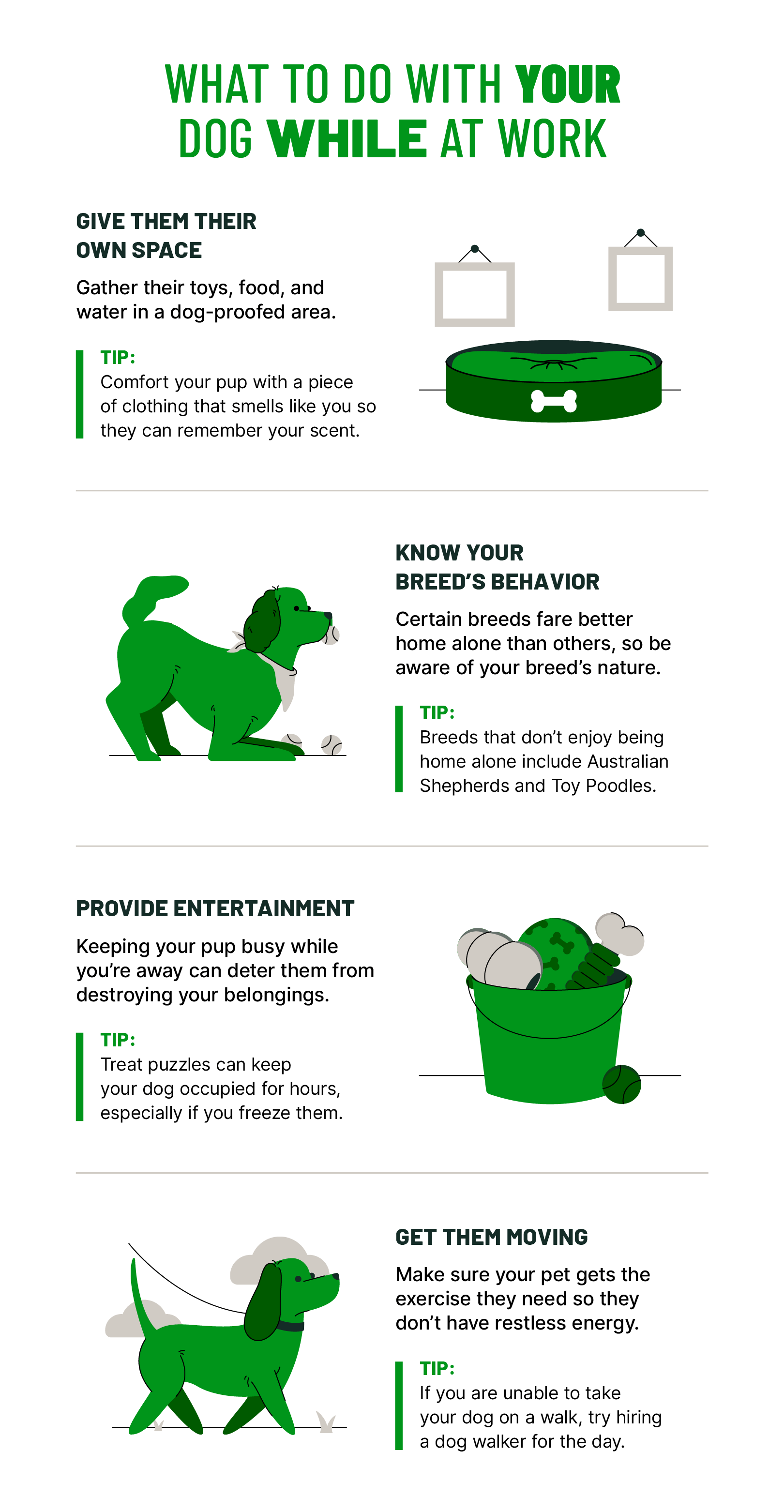
Image Source: www.hippo.com
The Impact of Solitude on Your Dog
Dogs thrive on routine, interaction, and mental engagement. When left alone for too long without adequate stimulation, they can experience a range of negative consequences:
- Boredom: This is the most common issue. A bored dog will often find their own “entertainment,” which can include chewing furniture, digging holes, excessive barking, or other destructive behaviors.
- Anxiety: Dogs can develop separation anxiety, a condition characterized by distress when separated from their primary attachment figure. This can manifest as excessive barking, howling, pacing, destructive chewing, and accidents in the house.
- Lack of Physical Activity: Without the opportunity to exercise, dogs can become lethargic, gain weight, and develop behavioral issues stemming from pent-up energy.
- Loneliness: Dogs are pack animals and can feel isolated and lonely when left alone for extended periods.
Addressing these issues proactively is crucial for your dog’s well-being and your peace of mind.
Signs Your Dog is Bored or Anxious
It’s important to recognize the subtle (and sometimes not-so-subtle) signs that your dog isn’t coping well with your absence.
- Destructive Chewing: Chewing on furniture, shoes, or other household items is a classic sign of a dog trying to relieve stress or boredom.
- Excessive Barking or Howling: If your neighbors complain about constant noise, your dog may be trying to communicate their distress.
- Pacing: A dog that constantly walks back and forth, especially near windows or doors, might be anxious.
- House Soiling: While this can have medical causes, it can also be a sign of anxiety or incomplete housetraining when it happens only when you’re gone.
- Excessive Salivation or Drooling: Some dogs drool more when they are stressed or anticipating your return.
- Lethargy: A normally energetic dog becoming unusually sluggish when you’re away can indicate depression or boredom.
Preparing Your Dog for Your Absence
The foundation of keeping your dog happy while you’re at work lies in preparation. This involves setting up their environment and establishing routines that support their well-being.
Creating a Safe and Stimulating Environment
Your dog’s space while you are away should be a haven, not a prison. Consider these aspects:
- Designated Safe Space: This could be a crate, a dog bed, or a specific room where your dog feels secure. Ensure it’s comfortable and equipped with their favorite toys.
- Window Access: For dogs who enjoy watching the world go by, a comfortable spot near a window can provide passive entertainment. However, be mindful if your dog becomes reactive to things outside.
- Soothing Sounds: Leaving on a radio, TV, or a calming music playlist can help mask outside noises and provide a sense of companionship. Some people use specialized “dog calming” music.
Gradual Acclimation to Solitude
If your dog isn’t used to being alone for long periods, you’ll need to introduce this gradually.
- Short Departures: Start by leaving your dog alone for very short intervals (5-10 minutes) and gradually increase the duration as they become more comfortable.
- Positive Associations: Make your departures and arrivals low-key. Avoid overly emotional goodbyes and hellos, which can heighten their anxiety about your absence and return.
Engaging Your Dog with Interactive Toys and Puzzles
Interactive dog toys and puzzles for dogs are invaluable tools for providing mental stimulation for dogs. They tap into a dog’s natural instincts to forage, problem-solve, and play, keeping their minds occupied.
Types of Interactive Toys
- Food-Dispensing Toys: These toys, like Kongs or treat balls, require your dog to manipulate them to get a reward (kibble or treats). Stuffing a Kong with peanut butter, yogurt, or wet food and freezing it can make the challenge last even longer.
- Tips for Food-Dispensing Toys:
- Start with easier-to-access treats.
- Vary the filling to keep it interesting.
- Ensure the toy is durable and appropriate for your dog’s chewing habits.
- Tips for Food-Dispensing Toys:
- Puzzle Feeders: These are more complex than simple dispensing toys, often involving sliding parts, levers, or compartments that your dog must figure out to access their food or treats.
- Examples of Puzzle Feeders:
- Slow Feeder Bowls: While not strictly puzzles, these make mealtime last longer by requiring dogs to work for their food.
- Snuffle Mats: These fabric mats have many folds and pockets where kibble or treats can be hidden, encouraging natural foraging behavior.
- Tiered Puzzle Toys: These involve multiple levels of difficulty, with dogs needing to push, lift, or slide components to reveal rewards.
- Examples of Puzzle Feeders:
- Chew Toys: Durable chew toys provide a physical outlet and can be very satisfying for dogs. Choose high-quality options that are safe for your dog’s chewing intensity.
- Considerations for Chew Toys:
- Durability: Match the toy’s toughness to your dog’s chew style.
- Safety: Avoid small parts that can be swallowed and materials that splinter.
- Variety: Offer different textures and shapes.
- Considerations for Chew Toys:
Strategies for Using Toys and Puzzles
- Rotation: Don’t leave all toys out all the time. Rotate them every few days to maintain novelty and prevent them from becoming mundane.
- High-Value Rewards: Reserve special treats or exciting toys for when you leave to create a positive association with your departure.
- Safety Check: Before you leave, ensure that any toys or puzzles are safe and that your dog won’t accidentally ingest pieces or get them stuck.
Enhancing Dog Exercise While Owner Away
Physical activity is paramount for a dog’s health and happiness. While you’re at work, you can implement strategies to ensure your dog gets sufficient dog exercise while owner away.
Pre-Work Exercise
A tired dog is a well-behaved dog. A good session of exercise before you leave can significantly reduce their need to expend energy indoors.
- Morning Walk or Jog: A brisk walk, jog, or game of fetch in the morning can tire your dog out.
- Playtime: Engage in interactive play like tug-of-war or fetch before heading out.
Midday Breaks and Dog Walkers
If your workday is particularly long, consider arrangements for a midday break for your dog.
- Dog Walkers: Hiring a professional dog walker is an excellent way to ensure your dog gets exercise and a potty break during the day. They can also provide much-needed social interaction.
- Friend or Family Member: If you have a trusted friend or family member who can pop in, this can be a great option.
- Pet Sitting Apps: Platforms like Rover or Wag connect you with local pet sitters and dog walkers.
Automatic Ball Launchers
For energetic breeds that love to fetch, automatic ball launchers can be a fun way for them to self-exercise in a safe, contained space like a backyard. Ensure your dog understands how to use them and that the area is secure.
Dog Daycare Alternatives and Socialization
For some dogs, especially those who struggle with being alone or who need significant social interaction, dog daycare alternatives might be a more suitable option.
Types of Dog Daycare Alternatives
- Home-Based Dog Daycares: Many smaller, home-based daycares offer a more intimate and personalized experience than larger facilities. These can be great for dogs who are shy or easily overwhelmed.
- Dog Sitting Services: Similar to dog walkers, dog sitters can come to your home to care for your dog, or you can take your dog to their home.
- Doggy Daycare Facilities: While this involves leaving your dog at a professional facility, it provides ample socialization and supervised play. It’s important to choose a reputable facility with a good staff-to-dog ratio and a clear vaccination policy.
- “Nanny” Services: Some services offer a dog sitter who stays in your home with your dog, providing constant companionship and care.
Choosing the Right Option
- Temperament Assessment: Many daycare facilities require an assessment to ensure your dog is a good fit for group play.
- Vaccination Requirements: Always ensure that any daycare or sitter you use has strict vaccination policies for all dogs in their care.
- Staff Training: Look for facilities with trained staff who can manage different dog personalities and recognize signs of stress or illness.
- Cleanliness and Safety: Visit the facility and assess its cleanliness, safety measures, and the overall demeanor of the dogs and staff.
Preventing Dog Separation Anxiety Through Enrichment
Preventing dog separation anxiety is a primary goal when implementing busy dog activities. Enrichment plays a crucial role in building a dog’s confidence and teaching them to cope with solitude.
Building Independence
- “Place” Training: Teach your dog to go to a specific mat or bed and stay there. This reinforces calm behavior and independence.
- Rewarding Calmness: When you are home, reward your dog for calmly settling on their own, rather than always demanding your attention.
Counter-Conditioning and Desensitization
These are key behavioral techniques for addressing separation anxiety.
- Counter-Conditioning: This involves changing your dog’s emotional response to your departure cues.
- Process: Pair departure cues (picking up keys, putting on shoes) with positive experiences (a high-value treat, a favorite toy). Initially, do these things without leaving. Over time, gradually increase the duration of the departures while ensuring your dog remains calm.
- Desensitization: This involves gradually exposing your dog to longer periods of your absence.
- Process: Start with very short absences. If your dog shows signs of distress, you’ve gone too fast. Return to a shorter duration and build up slowly.
- Departure Routine: Make your departure routine predictable and unexciting. Avoid prolonged goodbyes.
Calming Aids
For dogs with severe separation anxiety, consider consulting your veterinarian about calming aids.
- Pheromone Diffusers: Products like Adaptil release synthetic pheromones that mimic those emitted by a mother dog, which can have a calming effect.
- Calming Supplements: Some natural supplements containing ingredients like L-theanine or melatonin may help reduce anxiety. Always consult your vet before giving your dog any supplements.
- Anxiety Wraps: Products like ThunderShirt apply gentle, constant pressure, which can have a calming effect on some dogs.
Making Your Dog’s Day Fun and Engaging
The goal is to create a routine that keeps your dog physically and mentally stimulated, ensuring they are happy and content while you are at work.
A Sample Daily Schedule (Adjustable)
This is a template; you’ll need to adapt it to your dog’s specific needs, breed, age, and energy levels.
| Time | Activity | Focus |
|---|---|---|
| 6:00 AM | Wake up, potty break, quick play/cuddle | Bonding, relief |
| 6:30 AM | Morning exercise (walk, jog, fetch) | Physical energy release |
| 7:00 AM | Breakfast (potentially in a puzzle feeder) | Mental stimulation, slower eating |
| 7:30 AM | Prepare to leave: Distribute food-dispensing toy/puzzle, quiet goodbye | Positive association with departure |
| 8:00 AM | Owner leaves for work | Independent engagement |
| 10:00 AM | Dog walker arrives (optional) | Midday exercise, potty break, interaction |
| 12:00 PM | Dog nap/rest | Recovery |
| 2:00 PM | Rotate a different puzzle toy or chewy treat | Sustained mental engagement |
| 4:00 PM | Dog anticipates owner’s return | Calm waiting (ideally) |
| 5:00 PM | Owner returns, calm greeting, potty break | Reunion, relief |
| 5:30 PM | Evening playtime or training session | Bonding, continued stimulation |
| 6:30 PM | Dinner (again, consider a puzzle feeder) | Mental challenge |
| 7:30 PM | Relaxing evening, gentle play or cuddles | Wind down |
| 9:00 PM | Final potty break | Relief before bed |
| 10:00 PM | Bedtime | Rest |
Key Elements for Success:
- Routine is Key: Dogs thrive on predictability. A consistent schedule helps them feel secure.
- Variety Prevents Boredom: Regularly changing toys, puzzle fillings, and even walking routes keeps things fresh.
- Quality Over Quantity: A short, intense play session or a challenging puzzle is often more effective than a long period of passive presence.
- Observation: Pay close attention to your dog’s behavior when you return. Are they happy and relaxed, or are there signs of distress? Adjust your strategies accordingly.
Frequently Asked Questions (FAQ)
Q1: How long can I realistically leave my dog alone?
A1: Most adult dogs can be left alone for 6-8 hours. However, puppies, senior dogs, and dogs with medical conditions may require more frequent breaks. It’s always best to aim for the shortest possible duration and provide ample enrichment.
Q2: What are the best toys for dogs left alone?
A2: Food-dispensing toys (like Kongs), puzzle feeders, and durable chew toys are excellent choices. Rotate them to keep your dog engaged.
Q3: My dog barks excessively when I’m gone. What can I do?
A3: Excessive barking can be a sign of boredom or separation anxiety. Ensure your dog is getting enough physical and mental exercise. Consider calming aids, soundproofing your home, or leaving on a radio. If it persists, consult a professional dog trainer or behaviorist.
Q4: Can I use a dog camera to check on my dog?
A4: Yes, dog cameras can be very helpful for monitoring your dog’s behavior and identifying any signs of distress or boredom. Some cameras even allow two-way audio so you can speak to your dog.
Q5: Is a dog walker always necessary?
A5: A dog walker is highly beneficial if you work long hours, but it’s not always strictly necessary if you can provide sufficient exercise and engagement before and after work, and if your dog is comfortable being alone for shorter periods. However, for many dogs, a midday break is crucial.
By implementing these strategies, you can ensure your dog receives the mental stimulation for dogs, dog enrichment, and physical activity they need, transforming your absence into a period of calm and contentment. This proactive approach is key to preventing dog separation anxiety and maintaining a happy, healthy relationship with your canine companion.