
Can I use a dog crate heater in the winter? Yes, you can, but safety and proper usage are paramount. Keeping your dog warm during winter is crucial for their health and comfort. Whether your dog spends time in a crate indoors or you need to provide warmth for a winter dog house or an insulated dog kennel outdoors, there are several effective and safe methods. This guide will delve into how to keep your dog’s living space cozy and secure when temperatures drop, focusing on practical solutions and vital safety considerations.
Winter weather brings a host of challenges for dog owners, especially when it comes to ensuring their canine companions stay warm. Dogs, while often furry, are not immune to the cold. Their tolerance for low temperatures varies greatly depending on breed, age, health, and coat type. For dogs housed in crates or outdoor shelters, maintaining a safe and comfortable temperature is not just about comfort; it’s about preventing hypothermia and frostbite.
This comprehensive guide will explore various strategies to keep your dog’s dog crate warm effectively. We’ll cover everything from selecting the right bedding for cold dogs to understanding the benefits and risks associated with different heating devices. The goal is to provide you with the knowledge to create a warm sanctuary for your dog throughout the coldest months, ensuring their well-being and peace of mind for you.
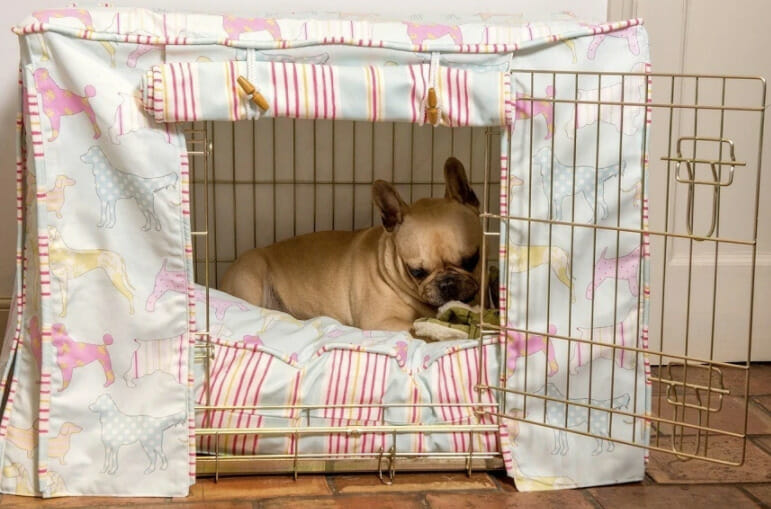
Image Source: www.doggietoys.deals
The Importance of a Warm Environment
Dogs, even those with thick coats, can get cold. Their natural insulation isn’t always enough, especially in prolonged exposure to freezing temperatures or when confined to smaller spaces like crates. A cold dog can become lethargic, prone to illness, and experience discomfort. For puppies, senior dogs, and those with medical conditions, the risks are even higher. A consistently warm environment is essential for their immune system, joint health, and overall happiness.
Physiological Responses to Cold
When dogs get cold, their bodies work harder to maintain core temperature. This can lead to:
- Shivering: An involuntary muscle action to generate heat.
- Reduced activity: Dogs may become less willing to move or play.
- Increased appetite: Some dogs eat more to fuel their metabolism.
- Stiff joints: Cold can exacerbate arthritis or cause general stiffness.
- Potential for hypothermia: If core body temperature drops too low, it can be life-threatening.
Breed and Coat Considerations
Not all dogs are created equal when it comes to cold tolerance. Breeds with double coats, like Huskies, Malamutes, and German Shepherds, are generally more resistant to cold than short-haired breeds like Greyhounds or Chihuahuas. However, even double-coated dogs can struggle in extreme conditions or when confined in a draft-free dog crate without supplementary warmth. Consider your dog’s specific breed characteristics when planning your winter cold weather dog care.
Safe Heating Solutions for Dog Crates and Shelters
When thinking about how to keep a dog crate warm, the primary focus must be safety. Any heating solution introduced into your dog’s space must be designed for pet use and installed correctly to prevent accidents.
1. Heated Dog Beds
A heated dog bed is one of the simplest and most direct ways to provide warmth. These beds come in various styles and temperatures, often designed to radiate gentle, consistent heat.
Types of Heated Dog Beds:
- Self-warming beds: These beds use reflective materials to trap and return the dog’s own body heat, no electricity required. They are the safest option but provide only mild warmth.
- Electric heated beds: These are plugged into an electrical outlet and provide a more significant heat source. They are often thermostatically controlled to prevent overheating.
Safety Tips for Heated Beds:
- Choose pet-specific models: Ensure the bed is designed for dogs and has safety features like chew-resistant cords.
- Check temperature settings: Opt for beds with adjustable temperature controls.
- Inspect regularly: Look for any signs of damage to the cord or fabric.
- Placement: Ensure the bed doesn’t trap heat in a way that could cause discomfort.
2. Dog Crate Heater Options
A dog crate heater can be an effective way to raise the ambient temperature within the confined space of a crate. However, this is where safety becomes even more critical.
Types of Dog Crate Heaters:
- Heated pads/mats: Similar to heated beds, these are flat mats that can be placed inside the crate.
- Thermostatically controlled ceramic heat emitters: These emit heat without light, mimicking natural warmth. They are often enclosed in a protective cage.
- Radiant panel heaters: These emit infrared heat, warming objects and surfaces rather than the air directly.
Crucial Safety Considerations for Crate Heaters:
- NEVER use human space heaters: These are a major fire hazard, can be easily tipped over, and dogs can get burned or ingest heating elements.
- Enclosed and Protected: Any heater designed for a crate should be fully enclosed or have protective guards to prevent direct contact with your dog’s skin or fur. Chew-proof cords are essential.
- Thermostatic Control: This is non-negotiable. The heater must automatically shut off when a safe temperature is reached and cycle on as needed. Overheating is a serious risk.
- Ventilation: Ensure there is still adequate airflow. A completely sealed, overheated crate can be dangerous.
- Power Source: Use a grounded, safe electrical outlet. Consider a GFCI (Ground Fault Circuit Interrupter) outlet for added safety.
- Supervision: Always supervise your dog when using any electrical heating device, especially initially, to ensure they are comfortable and not overheating.
3. Insulated Dog Kennels and Weatherproof Dog Shelters
For dogs spending time outdoors, an insulated dog kennel or weatherproof dog shelter is fundamental. Insulation helps retain heat, while a weatherproof design keeps out wind, rain, and snow.
Key Features of an Insulated Kennel:
- Double-walled construction: Creates an insulating air gap.
- Foam insulation: Materials like polystyrene or polyurethane foam can be added between the walls.
- Elevated floor: Keeps the dog off the cold ground.
- Sloped roof: For water runoff.
- Proper ventilation: Crucial to prevent moisture buildup, which can make the kennel colder.
- Draft-free door opening: The entrance should be offset or have a flap to block wind.
Adding Warmth to Outdoor Shelters:
- Heated pads for outdoor use: Look for specific outdoor-rated heated pads that are durable and water-resistant.
- Outdoor-rated heated dog houses: These are designed to withstand the elements and incorporate safe heating systems.
- Bedding: Use plenty of dry, insulating bedding.
4. Bedding for Cold Dogs: More Than Just a Blanket
The right bedding is a cornerstone of keeping your dog warm. It provides insulation from the cold floor and a cozy place to rest.
Types of Warm Bedding:
- Fleece blankets: Soft, warm, and readily available.
- Quilted mats: Offer a bit more padding and insulation.
- Self-warming beds (mentioned earlier): Excellent passive warming solution.
- Orthopedic beds with warming properties: Some higher-end beds combine supportive cushioning with warming materials.
Best Practices for Bedding:
- Layering: Use multiple layers of bedding for maximum insulation.
- Dryness: Ensure bedding remains dry. Damp bedding loses its insulating properties and can make your dog colder. Change bedding frequently if it gets wet.
- Washability: Choose bedding that can be easily washed to maintain hygiene.
- Dog’s Preference: Some dogs like to burrow, while others prefer to sprawl. Offer bedding that suits their habits.
5. Keeping Dog Warm Outdoors: A Holistic Approach
When you are keeping dog warm outdoors, it’s about creating a protected microclimate. This involves the shelter itself, the bedding, and supplementary heat if necessary.
- Shelter Location: Position the shelter away from prevailing winds and ensure it’s on a slightly elevated, well-drained spot.
- Door Flaps: Consider adding a heavy-duty, clear vinyl or rubber flap to the entrance of outdoor kennels to block wind and precipitation while still allowing the dog to see out.
- Bedding Management: Regularly check and replace any damp bedding.
- Water Access: Ensure water doesn’t freeze. Heated water bowls are available for outdoor use.
- Diet: Some dogs may need slightly more calories in winter to maintain body heat. Consult your veterinarian.
- Exercise: Regular, but not excessive, exercise can help dogs stay warm. However, avoid prolonged periods outside in extreme cold.
Advanced Safety Measures and Considerations
Beyond basic heating, there are a few advanced points to consider for ultimate safe dog heating solutions.
1. Thermostat Placement and Monitoring
If using a dog crate heater or a heated outdoor shelter, a simple thermostat on the unit itself might not be enough.
- Use a separate thermometer: Place a pet-safe thermometer inside the crate or shelter, away from the direct heat source, to get an accurate reading of the ambient temperature.
- Remote monitoring: For outdoor kennels, consider a wireless pet thermometer that allows you to monitor the temperature from inside your home.
2. Chew-Proofing and Cord Management
This is a paramount safety concern, especially with electrical devices.
- Cord protectors: Use heavy-duty, chew-resistant cord covers designed for pets.
- Conduit tubing: For more robust protection, consider running cords through metal or heavy-duty plastic conduit tubing.
- Secure the unit: Ensure the heater itself is stable and cannot be easily knocked over or chewed.
3. Power Outage Preparedness
What happens if the power goes out?
- Backup insulation: Ensure the crate or kennel is well-insulated even without active heating.
- Non-electric warming options: Have a few high-quality self-warming mats or plenty of thick blankets ready as a backup.
- Generators: For critical outdoor situations, a safely operated generator can provide power.
4. Water and Moisture Control
While you want to keep the space warm, excess moisture can be detrimental.
- Ventilation is key: Proper ventilation prevents condensation, which can lead to a damp and cold environment.
- Absorbent bedding: Use bedding that wicks away moisture.
- Avoid direct water sources: Ensure water bowls are stable and not placed where they can be easily tipped, creating puddles near heating elements.
Choosing the Right Heating Solution for Your Dog
The best approach often combines multiple strategies. Here’s a table to help you decide:
| Solution Type | Best For | Safety Concerns | Considerations |
|---|---|---|---|
| Heated Dog Bed | Indoor crates, dogs who sleep in a designated spot | Cord chewing, overheating, fabric damage | Thermostatic control, chew-resistant cord, pet-specific design. |
| Dog Crate Heater | Enclosed indoor crates, small to medium kennels | Overheating, fire hazard, chewing, electrocution | MUST be thermostatically controlled, protected, chew-proof. Never unsupervised. |
| Insulated Kennel | Outdoor dogs, covered porches | Wind, moisture, poor ventilation, cold floors | Double walls, quality insulation, elevated floor, proper ventilation, door flap. |
| Weatherproof Shelter | Outdoor dogs needing full protection | Same as insulated kennel, plus sun exposure | Durability, UV resistance, ventilation, and insulation are crucial. |
| Bedding for Cold Dogs | All dogs, indoor or outdoor | Dampness, insufficient insulation | Layering, dry materials, washability, appropriate for burrowing or sprawling. |
What to Avoid When Heating a Dog Crate
Certain common practices can seem like good ideas but are incredibly dangerous for your dog.
Absolutely Avoid:
- Human Space Heaters: As mentioned, these are fire hazards and not designed for pet environments. The risk of burns, fires, and electrical accidents is far too high.
- Improvised Heating: Never try to rig up your own heating system. This includes using heat lamps designed for reptiles (which can cause burns and fires) or anything not specifically manufactured and certified for pet use.
- Over-reliance on one method: A combination of good insulation, appropriate bedding, and a safe heating element is often best.
- Allowing damp bedding: Damp bedding will make your dog colder, not warmer, and can lead to skin issues.
- Ignoring signs of overheating: If your dog is panting excessively, restless, or trying to escape their heated space, it’s too hot.
Recognizing When Your Dog is Too Cold
It’s vital to be able to spot the signs that your dog needs more warmth.
Signs Your Dog is Cold:
- Shivering: This is the most obvious sign.
- Whining or barking: They may vocalize their discomfort.
- Restlessness: Unable to settle down or find a comfortable position.
- Seeking warmth: Trying to burrow deeper into bedding or press against heated surfaces (carefully observe if they are getting too hot).
- Lethargy: Becoming unusually slow or unwilling to move.
- Cold ears or nose: Touching their extremities can indicate they are losing core heat.
- Tucked tail: A common sign of discomfort or cold.
Frequently Asked Questions (FAQ)
Q1: Can my dog sleep in a heated crate all night?
A1: Yes, provided the dog crate heater or heated dog bed is thermostatically controlled and specifically designed for pet safety, allowing for safe overnight use. Always monitor your dog’s comfort.
Q2: Is a heated dog bed enough for an outdoor winter dog house?
A2: It depends on the severity of the cold and the insulation of the house. For extreme cold, an outdoor-rated heated shelter or additional insulation and bedding might be necessary.
Q3: How warm should a dog crate be in winter?
A3: The ideal temperature is generally between 65-75°F (18-24°C). However, this can vary based on your dog’s breed, age, and health. The goal is to prevent them from shivering.
Q4: Can I use blankets in addition to a heated dog bed?
A4: Yes, layering blankets on top of or around a heated dog bed can add extra insulation and coziness. Ensure blankets don’t cover the heating element or create a fire hazard.
Q5: What are the risks of using a non-pet-specific heating device?
A5: The risks include fire hazards, burns to your dog, electrocution, and potential for overheating due to lack of safety controls. Always use products designed and certified for pet use.
Q6: How do I know if my insulated dog kennel is effective?
A6: You should feel a noticeable difference in temperature compared to an uninsulated kennel, with less wind intrusion. Your dog should appear comfortable and not be shivering when inside. Regular temperature checks with a thermometer are also recommended.
Conclusion
Keeping your dog warm and safe during winter is a responsibility that requires careful planning and the right tools. By prioritizing safety, understanding your dog’s individual needs, and utilizing appropriate safe dog heating solutions, you can ensure your furry friend enjoys a comfortable and healthy winter season. Whether you’re looking at a dog crate heater, a cozy heated dog bed, or an robust insulated dog kennel, always remember that prevention, proper usage, and constant vigilance are key to keeping dog warm outdoors and indoors alike. Embrace cold weather dog care with confidence, knowing you are providing the best possible environment for your beloved companion.