
Can you stop your dog from tearing up pee pads? Yes, you can! Addressing the root cause of the dog chewing pee pads is key to preventing this destructive behavior. Whether you have a puppy destroying pee pads or an older dog, there are effective strategies to curb this habit and ensure successful training dog to use pee pads.
It’s a common frustration for pet owners: you diligently set out fresh pee pads, only to find them shredded into a confetti of plastic and paper. This behavior, often described as dog shredding pee pads, can be puzzling and disheartening, especially when you’re trying to potty train your furry friend. The good news is that with patience, consistency, and the right approach, you can preventing dog from eating pee pads and transform this destructive habit into a positive potty training experience.
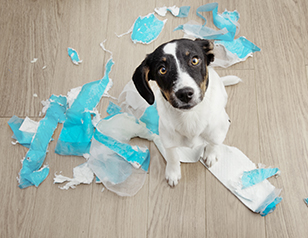
Image Source: www.alphapaws.com
Why Your Dog Shreds Pee Pads
Before we dive into solutions, let’s explore why your dog might be engaging in this behavior. Fathoming the dog behavior pee pads is the first step to resolving it.
Boredom and Lack of Stimulation
Dogs are intelligent and energetic creatures. When left unsupervised or without enough mental and physical enrichment for dogs destroying pee pads, they can become bored. Pee pads, with their crinkly texture and absorbent material, can become an appealing chew toy or an outlet for pent-up energy.
Anxiety and Stress
Separation anxiety, changes in the home environment, or even loud noises can trigger stress in dogs. For some dogs, chewing and shredding can be a self-soothing mechanism. If your dog is experiencing anxiety chewing pee pads, they might be seeking comfort through this destructive outlet.
Teething (for Puppies)
Puppies, much like human babies, go through a teething phase. Their gums can become sore and itchy, and they have a natural urge to chew on things to relieve the discomfort. Pee pads can unfortunately become the unfortunate target of this puppy chewing.
Instinctual Behavior
Some breeds have a stronger prey drive or digging instinct. The texture and movement of a pee pad being torn can mimic the sensation of digging or catching prey, triggering an instinctual response.
Attention Seeking
If your dog learns that shredding pee pads gets them your attention – even negative attention – they might continue the behavior. They might see it as a way to interact with you.
Inappropriate Texture or Scent
While less common, some dogs might simply not like the texture or scent of certain pee pads, leading them to try and “fix” them by tearing them up.
Strategies to Stop the Shredding
Now that we’ve explored the “why,” let’s focus on the “how.” Here are proven methods for preventing dog from eating pee pads and encouraging proper pee pad use.
Management and Supervision
The most immediate solution is to prevent access to the pee pads when you cannot supervise.
- Crate Training: When you can’t watch your dog, place them in a crate with a pee pad outside the crate or a designated potty area. This limits their opportunity to destroy the pads.
- Confine to a Safe Area: Use a puppy playpen or a dog-proofed room where you can lay out the pee pad without fear of it being destroyed.
- Constant Vigilance: Keep a close eye on your dog when they are in the same area as the pee pads.
Positive Reinforcement Pee Pad Training
This is the cornerstone of successful potty training. Focus on rewarding good behavior.
- Reward When Used: When your dog successfully uses the pee pad, offer immediate praise, a high-value treat, and even a favorite toy. Make using the pad a highly rewarding experience.
- Reward for Calmness Near Pad: Even if they don’t use it, if your dog is calm and near the pee pad without trying to chew it, offer a small treat and praise.
- Timing is Crucial: The reward must come immediately after the desired behavior (using the pad) so your dog makes the connection.
Making Pee Pads Less Appealing to Chew
You can alter the pee pads themselves to make them less of a target for dog chewing pee pads.
- Secure the Edges: Use heavy-duty tape, binder clips, or place a pee pad holder over the edges to make it harder to get a grip and tear.
- Thicker Pads: Consider using thicker, more durable pee pads designed for heavy use. Some brands are made with stronger materials.
- Cover the Pad: You can place a chew-proof grate or a larger, flattened cardboard box over the pee pad. Ensure there are gaps large enough for your dog to step through to reach the pad. This requires careful consideration of your dog’s size and how they might try to bypass the barrier.
Addressing Underlying Causes
If the shredding is due to deeper issues, you need to tackle those first.
Dealing with Boredom and Energy
- Increase Physical Exercise: Ensure your dog gets enough daily walks, runs, or playtime. A tired dog is less likely to be a destructive dog.
- Mental Stimulation: Provide puzzle toys, interactive feeders, and training sessions. Rotate toys to keep them novel and engaging.
- Chew Toys: Offer a variety of safe and appropriate chew toys. Different textures (rubber, rope, nylon) can satisfy different chewing needs. If your dog is dog chewing pee pads, offering a desirable alternative can redirect their focus.
Managing Anxiety
- Identify Triggers: Try to pinpoint what causes your dog’s anxiety. Is it being left alone? Certain noises?
- Desensitization and Counter-Conditioning: For separation anxiety, gradual introductions to being alone and positive associations with your departure can help.
- Consult a Professional: If you suspect significant anxiety, consult a veterinarian or a certified professional dog trainer/behaviorist. They can offer tailored advice and potentially recommend calming aids. Anxiety chewing pee pads needs a behavioral approach.
Using Deterrents (with Caution)
Dog deterrents for pee pads can be a temporary aid, but they should not be the sole solution. They aim to make the pee pad unpleasant to chew.
- Bitter Sprays: Commercial bitter sprays can be applied to the edges of the pee pad. Test a small area first to ensure it doesn’t deter your dog from using the pad entirely. Reapply as needed.
- Homemade Sprays: Some owners use diluted vinegar or lemon juice. Again, test this carefully.
- Important Note: Deterrents are most effective when combined with positive reinforcement and management. They can also cause confusion if not used correctly, potentially leading to avoidance of the pad altogether.
Crate Training with Pee Pads
If you’re using a crate for potty training and dog shredding pee pads is an issue, here’s a specialized approach:
- Gradual Introduction: Introduce the crate positively.
- Pad Outside the Crate: Initially, place the pee pad outside the crate in the designated potty area.
- Controlled Exposure: Once your dog is reliably using the pad outside, you can try placing a pee pad inside the crate while you are present and supervising. If they start to chew, redirect them immediately.
- Pad Inside Only When Confident: Only place a pad inside the crate when you are confident they won’t destroy it and only if the crate is large enough for them to potty in one area and sleep in another. For smaller crates, it’s often better to keep the pad outside the crate.
Creating a Designated Potty Zone
Instead of just one pee pad, create a larger designated potty zone.
- Enclosed Area: Use a puppy playpen and fill the entire base with pee pads. This gives your dog more space and makes it less likely they’ll feel confined and resort to chewing out of stress.
- Gradual Reduction: Once your dog is consistently using the pads within this zone, you can slowly start to reduce the number of pads, guiding them towards a smaller, specific area.
What NOT to Do
- Punishment: Never punish your dog for tearing up a pee pad. This can create fear and anxiety, making the problem worse. They won’t associate the punishment with the act of shredding the pad, but rather with your presence.
- Rubbing Their Nose in It: This is an outdated and ineffective method that only teaches your dog to fear you.
- Leaving Them Unsupervised with Pads: Until the behavior is corrected, supervision is key.
Troubleshooting Common Issues
Even with the best strategies, you might encounter specific challenges.
My Puppy Chews Pee Pads Instantly
Puppy destroying pee pads is very common due to their chewing instincts.
- Immediate Redirection: Have a high-value chew toy ready. The moment your puppy shows interest in the pee pad for chewing, interrupt them gently and immediately offer the toy. Praise them profusely when they chew the toy.
- Supervised Play: Keep your puppy on a leash tethered to you during potty training sessions so you can intervene quickly.
- Limit Access: When you cannot supervise, use a crate or a confined area without the pee pad.
My Dog Eats the Pee Pad Material
This is more serious than just shredding, as ingesting plastic or absorbent material can cause dangerous intestinal blockages. This behavior is sometimes referred to as “pica.”
- Urgent Management: Prevent any access to the pee pads immediately. Use a crate, a playpen, or a confined room with no access to the pads.
- Vet Consultation: If your dog is ingesting the material, it’s crucial to consult your veterinarian. They can rule out any underlying medical issues contributing to pica and advise on management strategies.
- Alternative Chewing: Provide extremely robust and safe chew toys that are difficult to break down.
- Enrichment Focus: Increase enrichment for dogs destroying pee pads significantly. Boredom can exacerbate pica.
My Dog Only Shreds Pee Pads When I’m Not Home
This points towards potential anxiety or boredom when left alone.
- Desensitize to Departures: Practice short departures and return before your dog becomes anxious. Gradually increase the duration.
- Provide Engaging Activities: Leave them with long-lasting chews (like stuffed Kongs) or interactive toys that dispense treats.
- Calming Aids: Talk to your vet about pheromone diffusers, calming supplements, or even prescription medication if anxiety is severe.
- Video Monitor: Use a pet camera to observe their behavior when you’re gone. This can provide valuable insights into the triggers for their anxiety and shredding.
Transitioning Away from Pee Pads
Once your dog is reliably using pee pads without shredding them, you can begin the transition to outdoor potty training if that’s your ultimate goal.
Gradual Outdoor Exposure
- Start Small: Take your dog outside to a designated potty spot at regular intervals.
- Positive Association: Reward heavily for successful potty breaks outdoors.
- Reduce Pee Pad Area: Slowly decrease the size of the pee pad area indoors.
Removing Pee Pads
- One Pad at a Time: If you have multiple pads, remove one at a time, ensuring your dog continues to use the remaining ones.
- Transition to a Single Location: Move the last pee pad closer to the exit door and eventually place it outside.
Table: Common Pee Pad Problems and Solutions
| Problem | Potential Causes | Solutions |
|---|---|---|
| Dog Chewing Pee Pads | Boredom, anxiety, teething, instinct, attention-seeking | Management, supervision, positive reinforcement pee pad training, provide chew toys, increase exercise & mental stimulation, address anxiety, use dog deterrents for pee pads. |
| Dog Shredding Pee Pads | Boredom, overexcitement, texture preference | Secure pad edges, use thicker pads, provide chew toys, redirect chewing, manage environment. |
| Puppy Destroying Pee Pads | Teething, exploration, boredom, excess energy | Immediate redirection with chew toys, constant supervision, limit access when unsupervised, provide appropriate chew options. |
| Dog Eating Pee Pad Material | Pica (behavioral or medical), extreme anxiety, intense boredom | Urgent management (prevent access), vet consultation, provide robust chew toys, intensive enrichment for dogs destroying pee pads. |
| Pee Pad Only Used When I’m Away | Separation anxiety, boredom when alone | Desensitize to departures, provide engaging toys, consult vet for anxiety management. |
Frequently Asked Questions (FAQ)
Q1: How long does it take to train a dog to use pee pads?
A1: Potty training duration varies significantly between dogs. Factors include age, breed, consistency of training, and the underlying reason for accidents or destruction. Some dogs grasp it in a few weeks, while others may take several months. Patience and consistency are key.
Q2: Can I use a pee pad holder to stop shredding?
A2: Yes, a pee pad holder can be very effective. It secures the pad and makes it much harder for the dog to get a grip to tear it. Ensure the holder is sturdy and the correct size for your dog.
Q3: My dog pees next to the pee pad, not on it.
A3: This can happen for various reasons. Ensure the pee pad is large enough. You can try using an attractant spray on the pad. If the behavior persists, consider the location – is it too noisy, too exposed? You might need to revisit basic training dog to use pee pads principles and reward proximity to the pad.
Q4: My dog tears up the pee pad after using it.
A4: This could be related to instinct, excitement, or a need to “bury” their waste. Redirect this behavior immediately after they finish pottying by offering a favorite toy or chew. Positive reinforcement for not shredding after use is crucial here.
Q5: Is it bad if my dog eats a small piece of the pee pad?
A5: While a tiny piece might pass without issue, ingestion of plastic or absorbent material carries risks of intestinal blockage, which can be life-threatening. If your dog is ingesting pee pads, it’s essential to prevent further access and consult your veterinarian.
Q6: What if my dog is destructive with everything, not just pee pads?
A6: If your dog exhibits destructive chewing or shredding behavior with various items, it strongly suggests boredom, lack of mental stimulation, or anxiety. Focus on increasing physical and mental enrichment for dogs destroying pee pads (and other items). Consider a professional dog trainer to help address generalized destructive behavior.
Conclusion
Stopping your dog from tearing up pee pads requires a multi-faceted approach that addresses the behavior’s root cause. By combining management, consistent positive reinforcement pee pad training, appropriate enrichment for dogs destroying pee pads, and understanding your dog’s individual needs, you can overcome this challenge. Remember that patience and a positive attitude are your most valuable tools. With time and dedication, you’ll have a well-behaved companion and a successful potty training journey.